In Conversation with Lotta
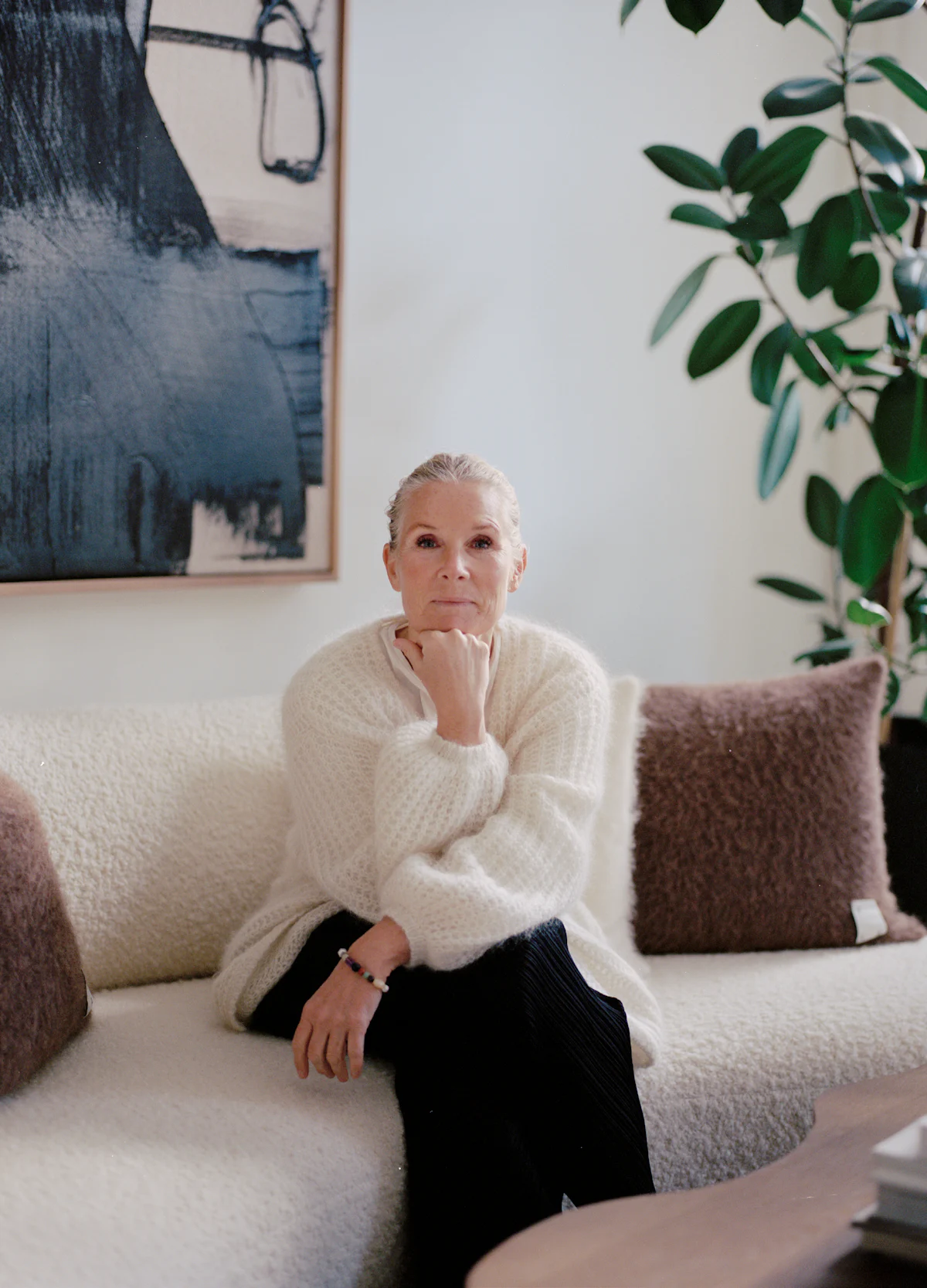
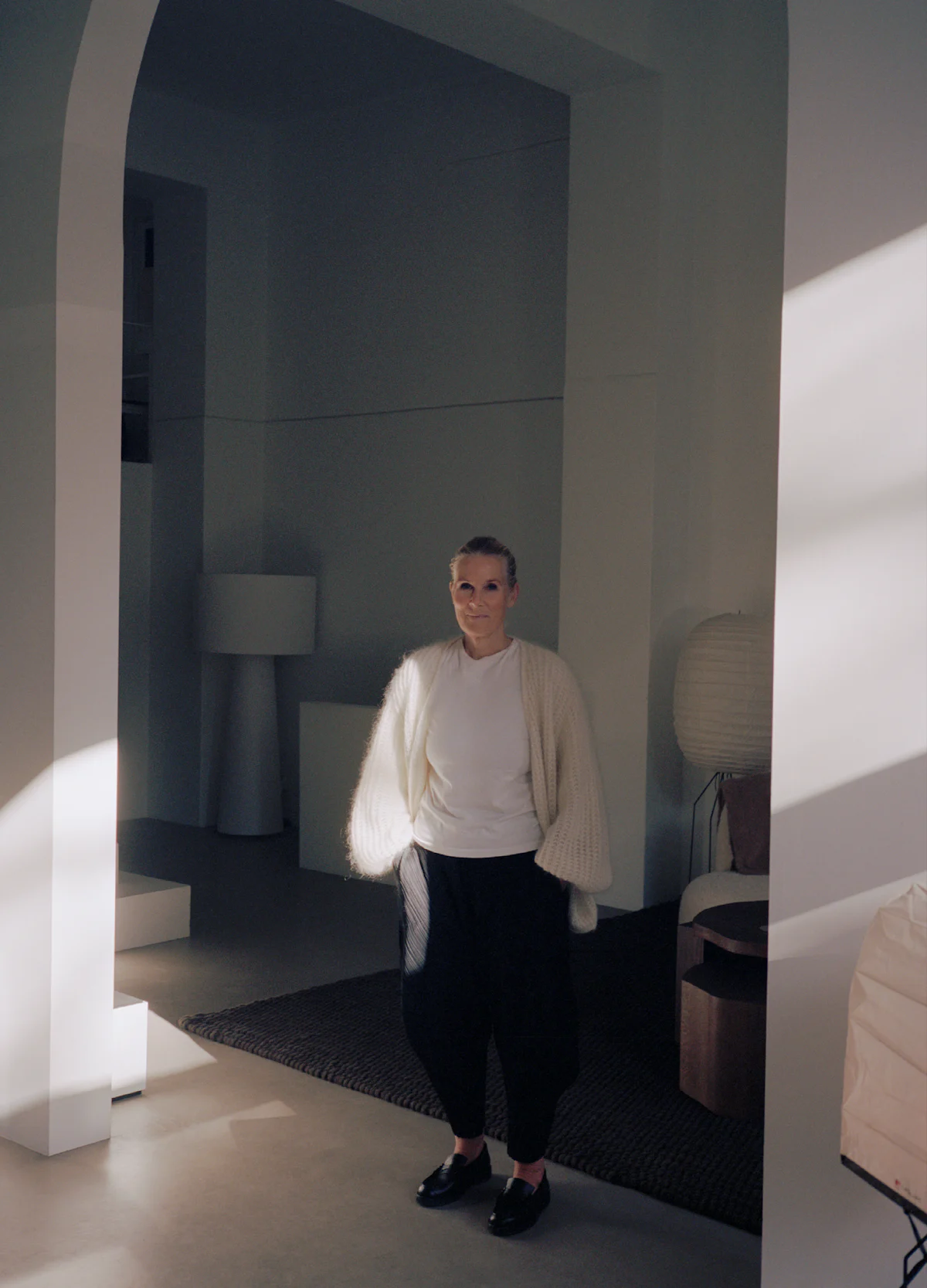
There is nothing accidental about the way Lotta Agaton takes on a room, though it never feels calculated either. Beauty matters, certainly, but never at the expense of the life unfolding around it. She is, above all, a noticer, attuned to atmosphere, texture, and the decisions that make a space feel considered rather than staged. In conversation, Agaton reflects on the influences that have shaped her instincts: Modernism, natural materials, books, the sea, and the elusive art of knowing when the work is done.

Are there particular places, periods, or cultural references that continue to shape your aesthetic language?
I have always been drawn to the clean, almost graphic language of Modernism, when ornamentation was stripped away, and form became the focus. Across interiors, design, architecture and art, it is the period I return to most often for inspiration.
Do you collect—whether objects, textures, or impressions—and how do these collections find their way into your work?
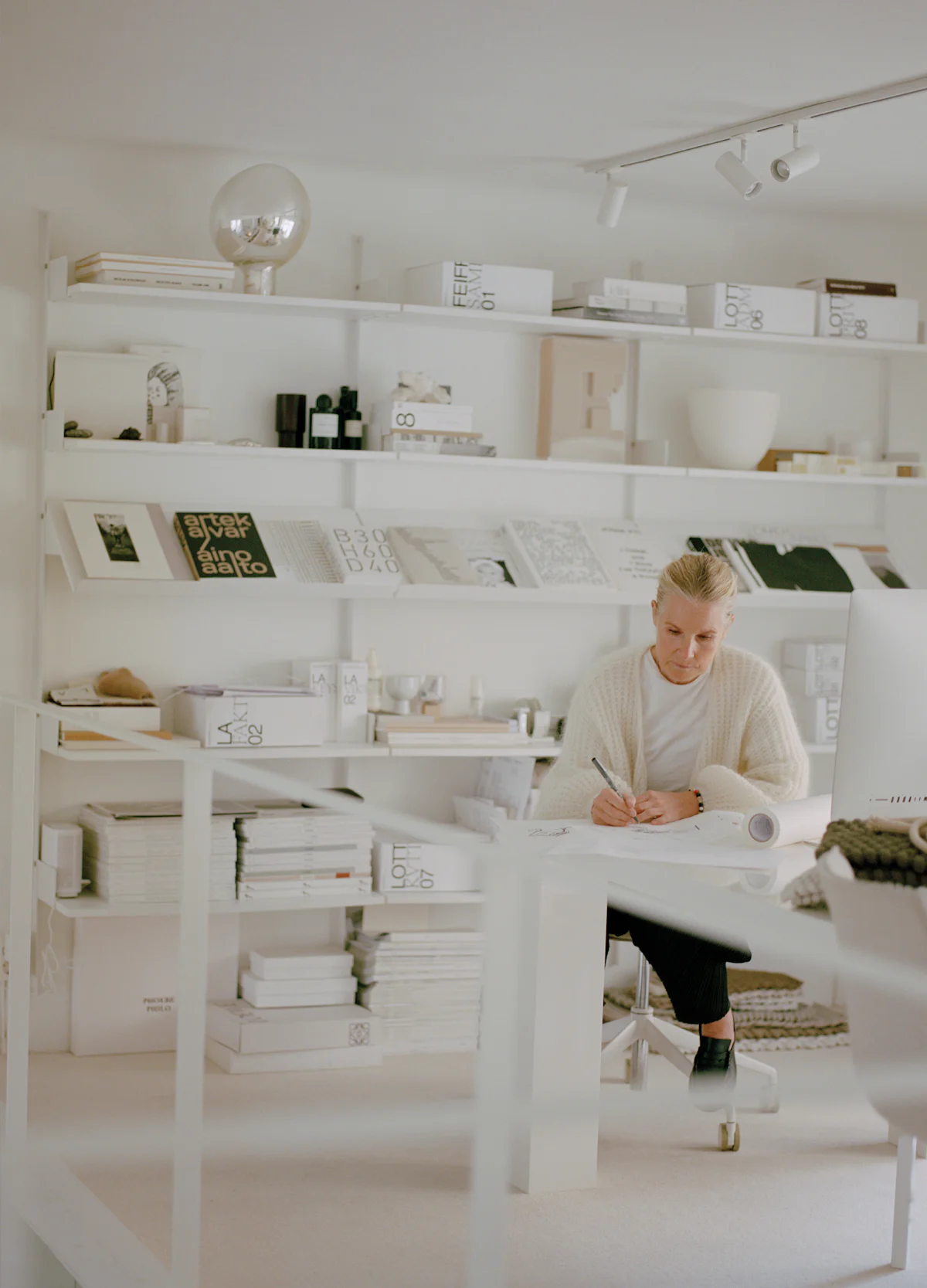
I wouldn’t necessarily call myself a collector, but I love books and have bought a great many over the years. I often say that my home never really feels like home until I have unpacked my books. For me, the bookshelf is often the heart of a home.
You often work with a refined material palette. Are there materials or objects you find yourself returning to, and what draws you to them?
I have always prioritised natural materials that age beautifully and are made to last. At a time when we all need to be more mindful of the environment, I try not to be swayed by short-lived trends, but instead create material and colour palettes that people will want to live with for a long time.
Can you take us back to the very beginning — what first sparked your interest in design, and what kept you pursuing it?
My father was an architect, so I grew up appreciating design, form and beautiful things from a very early age. Over time, it became my greatest interest, and there has never really been another path that felt as compelling to me.
When you step into a new space for the first time, what’s the first thing that captures your attention?
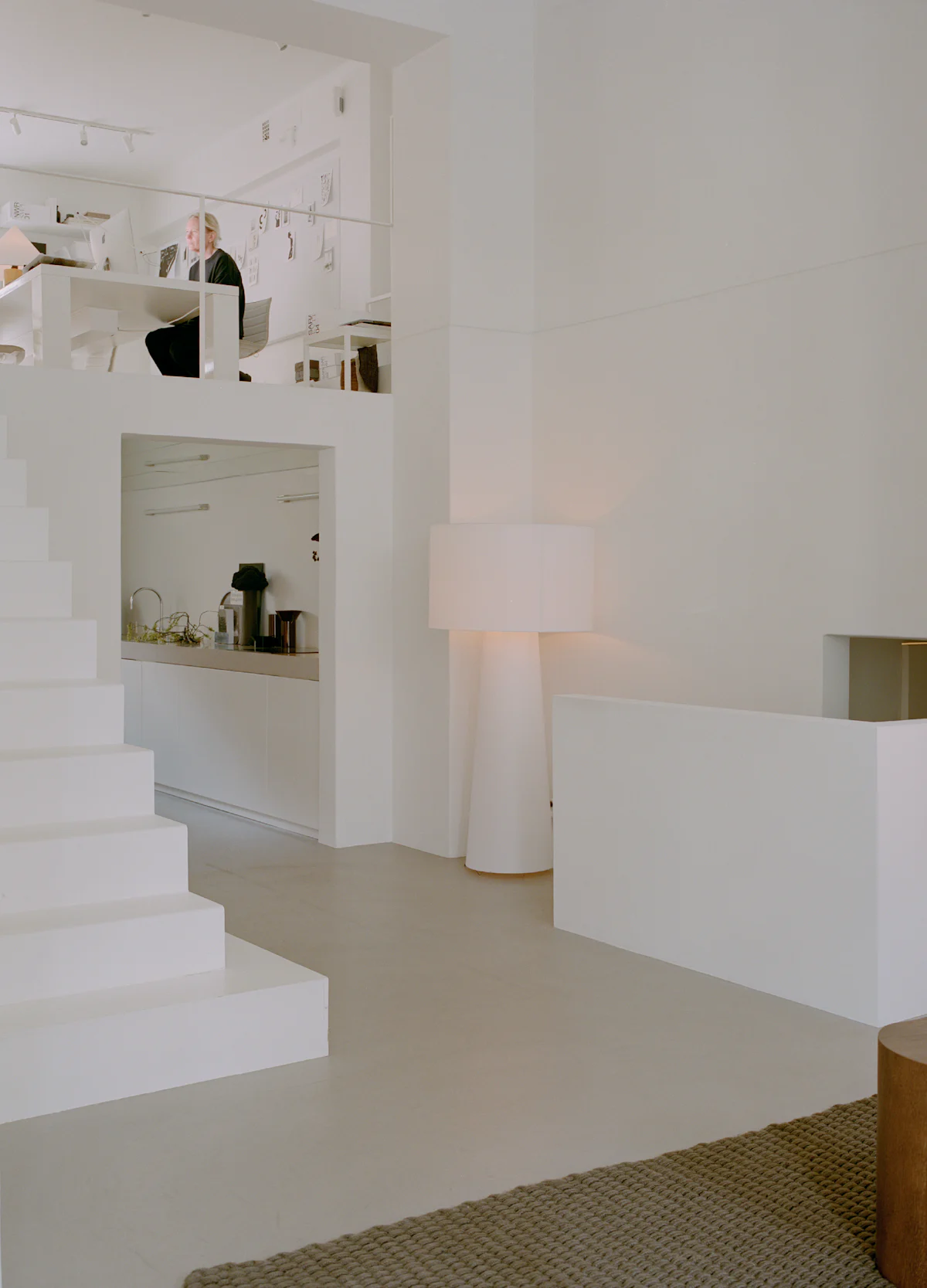
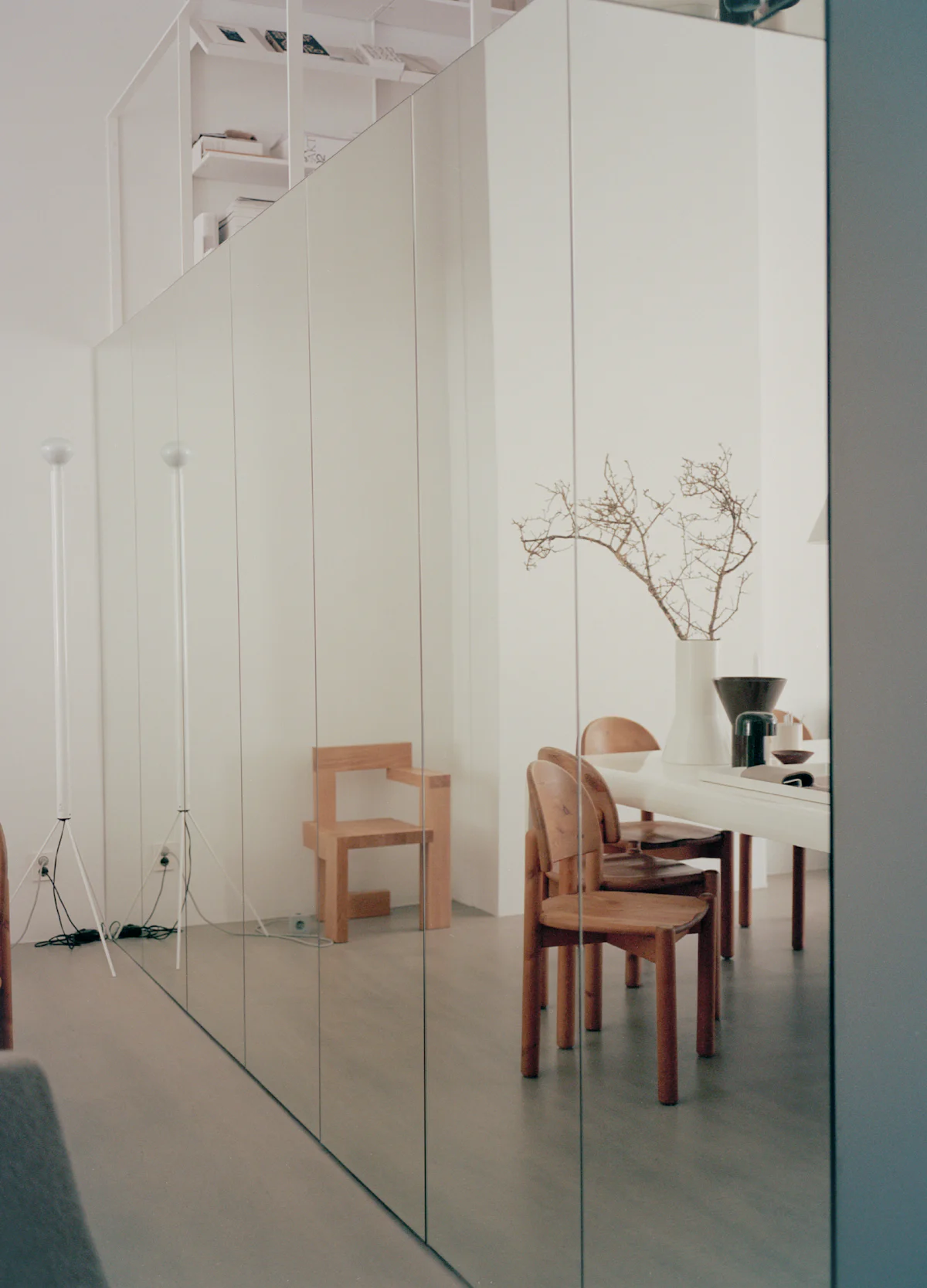
The atmosphere and the feeling of the space. To me, that is the most important thing a room should convey. Not everything has to match, and every object doesn’t have to be beautiful in itself, but it should feel considered and have a purpose. When those elements come together, they create a sense of calm and make you want to stay.
Not everything has to match, and every object doesn’t have to be beautiful in itself, but it should feel considered and have a purpose.
Are there particular places, periods, or cultural references that continue to shape your aesthetic language?
I have always been drawn to the clean, almost graphic language of Modernism, when ornamentation was stripped away, and form became the focus. Across interiors, design, architecture and art, it is the period I return to most often for inspiration.
Do you collect—whether objects, textures, or impressions—and how do these collections find their way into your work?
I wouldn’t necessarily call myself a collector, but I love books and have bought a great many over the years. I often say that my home never really feels like home until I have unpacked my books. For me, the bookshelf is often the heart of a home.
You often work with a refined material palette. Are there materials or objects you find yourself returning to, and what draws you to them?
I have always prioritised natural materials that age beautifully and are made to last. At a time when we all need to be more mindful of the environment, I try not to be swayed by short-lived trends, but instead create material and colour palettes that people will want to live with for a long time.
Can you take us back to the very beginning — what first sparked your interest in design, and what kept you pursuing it?
My father was an architect, so I grew up appreciating design, form and beautiful things from a very early age. Over time, it became my greatest interest, and there has never really been another path that felt as compelling to me.
When you step into a new space for the first time, what’s the first thing that captures your attention?
The atmosphere and the feeling of the space. To me, that is the most important thing a room should convey. Not everything has to match, and every object doesn’t have to be beautiful in itself, but it should feel considered and have a purpose. When those elements come together, they create a sense of calm and make you want to stay.
Not everything has to match, and every object doesn’t have to be beautiful in itself, but it should feel considered and have a purpose.
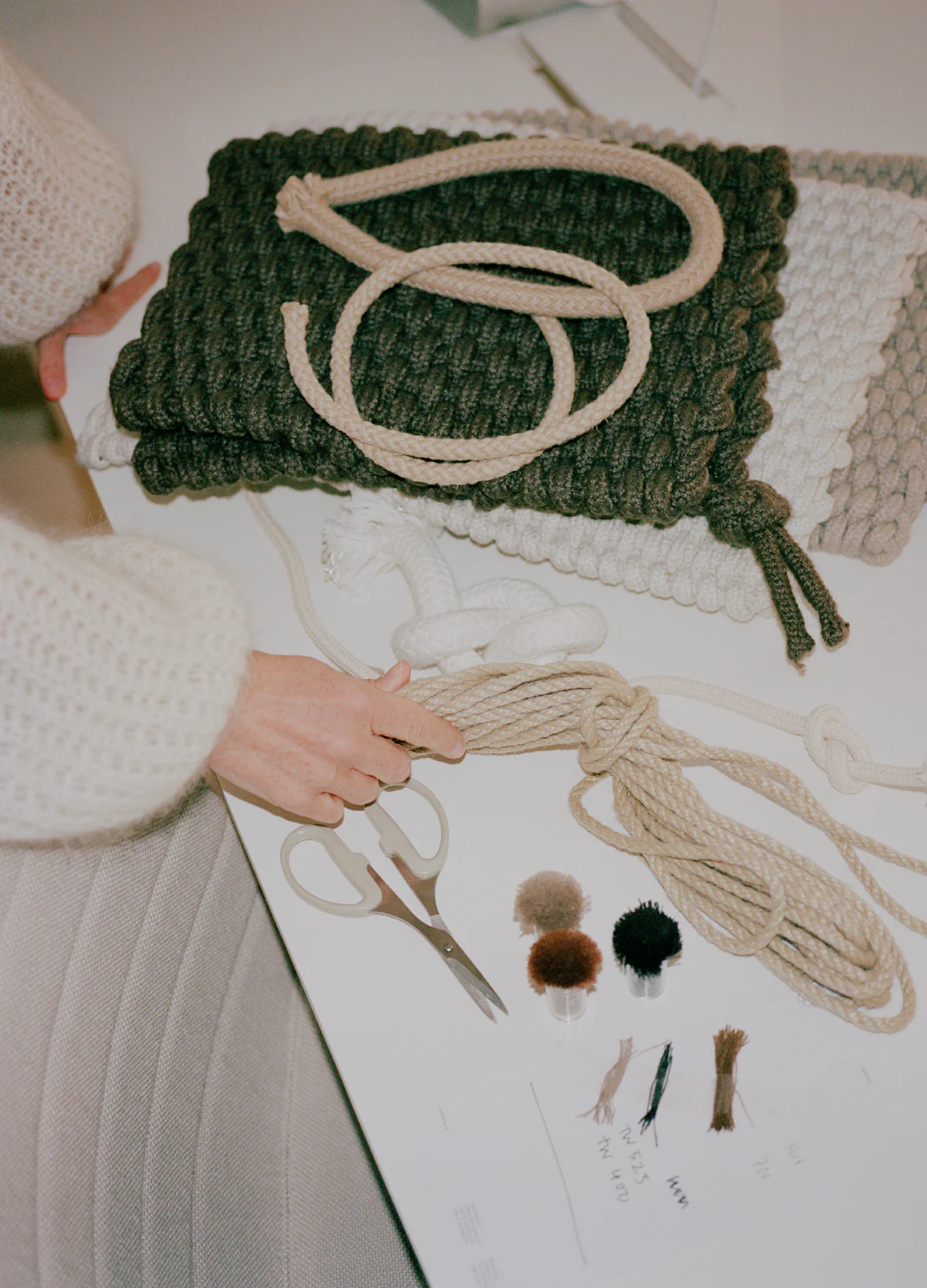


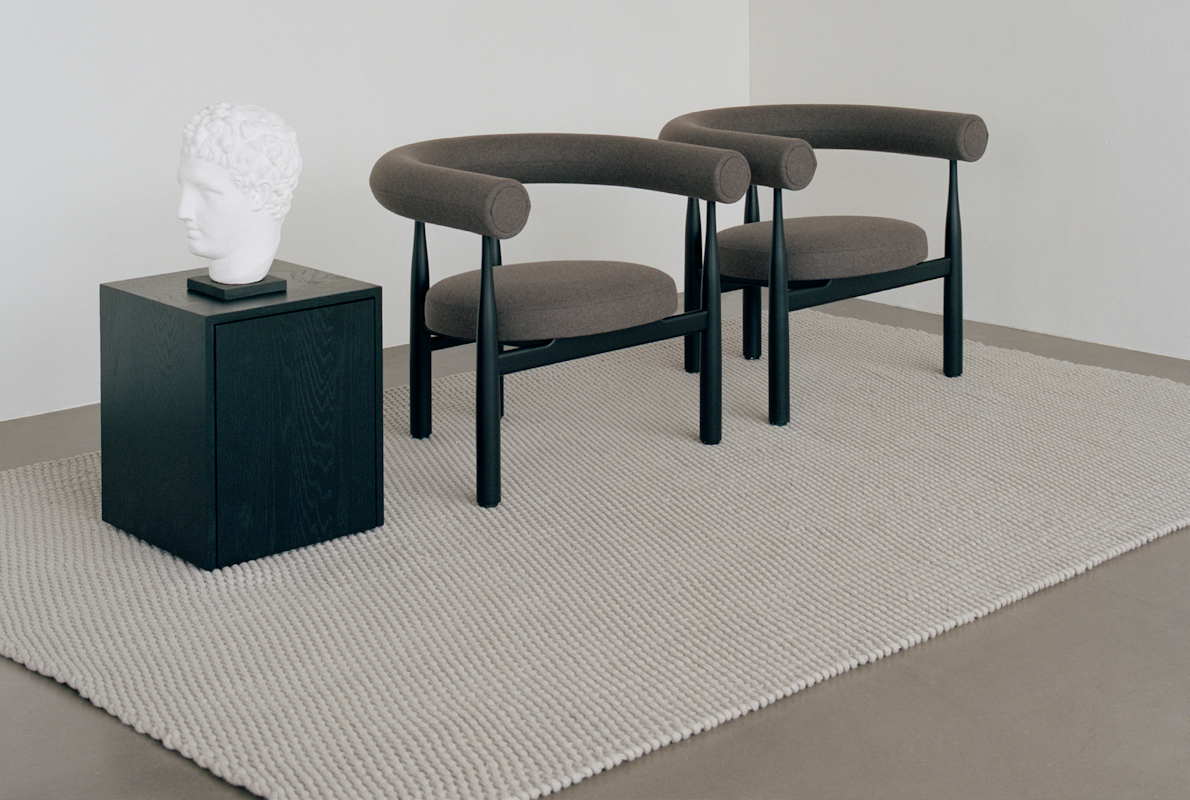
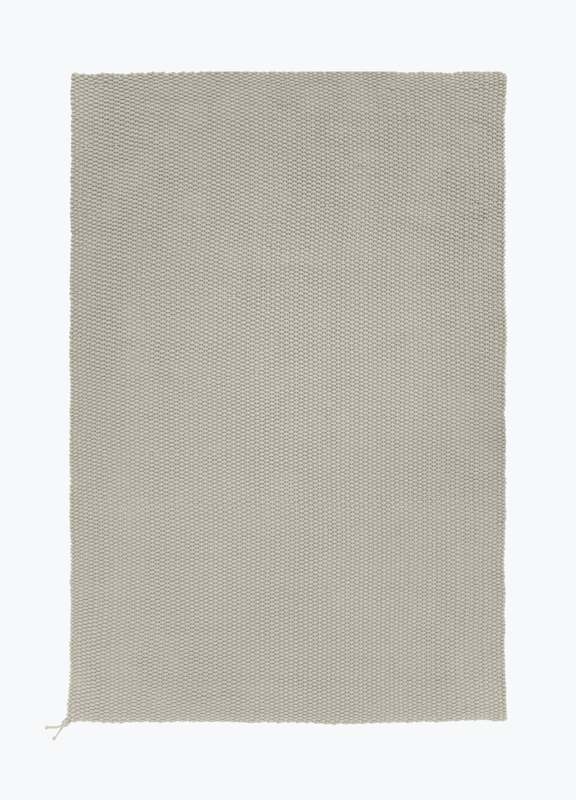
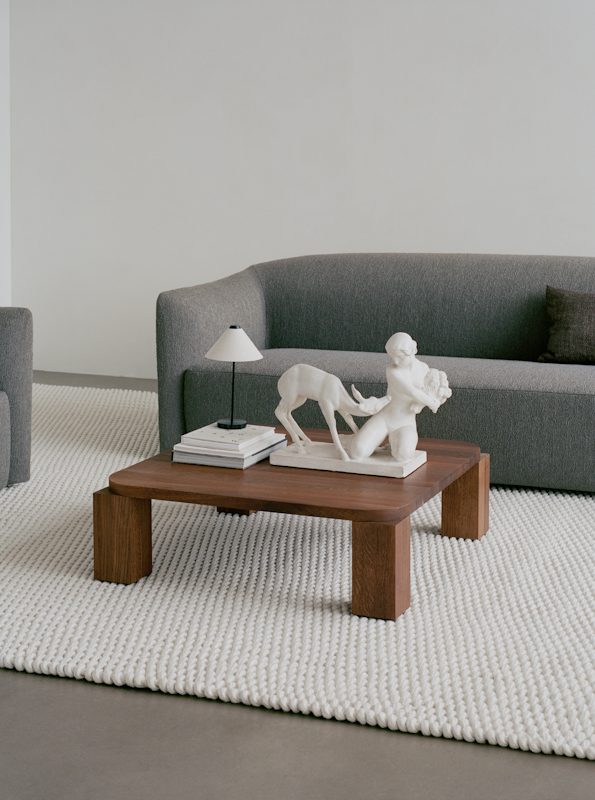
The Knot Rug is rooted in your connection to the sea. Could you tell us more about that relationship and how it informed the design?
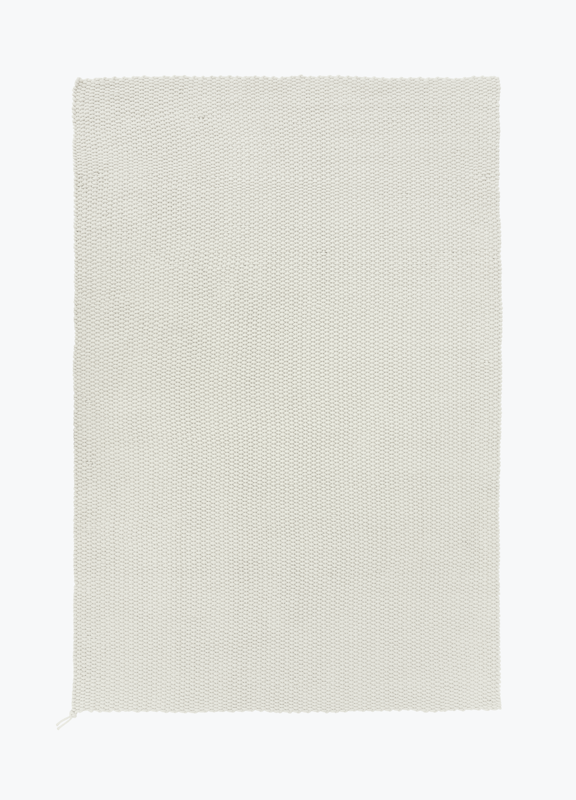
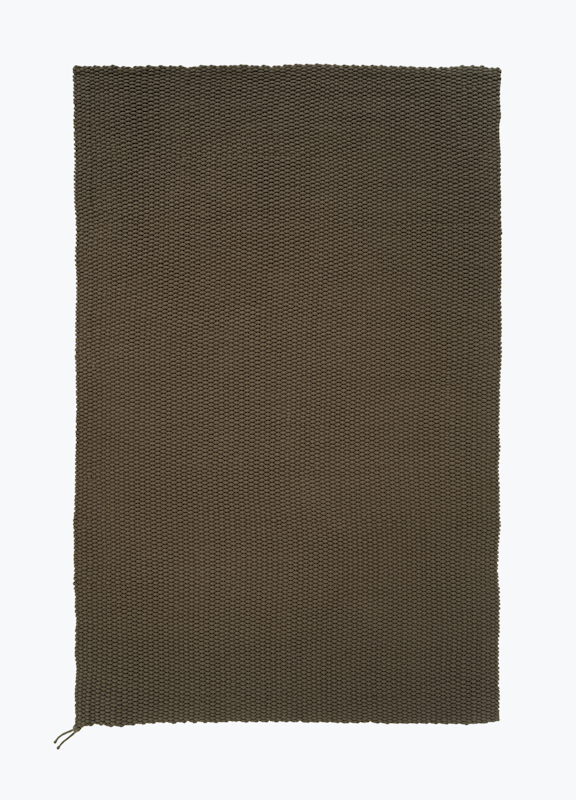
I have a sailing boat and spend a lot of time at sea. When you moor, you often coil the excess rope into spirals so that no one trips over it. I have always loved the feeling of walking on those coils, and that eventually sparked the idea of creating a rug inspired by those ropes.
Where, or how, do you go to reconnect with your creativity when you need to recharge?
I have a summer house in the far north of Sweden, by a river. I love going there simply to be surrounded by the quiet of nature — tending the garden, doing a bit of carpentry, and taking a break from the pace and values of city life.
Looking ahead, what trends and aspects of design or craftsmanship feel most exciting or meaningful to you in the current zeitgeist, and what do you look forward to in the future?
I think short-lived trends in styles and colours will eventually become outdated in themselves; we simply can’t afford to consume in that way anymore. I hope the direction ahead is towards finding our own individual style, something we can hold on to throughout our lives while allowing it to evolve, and creating spaces we genuinely enjoy living and spending time in.
What do you think is most often misunderstood or overlooked when people think about interior design?
That an interior is a kind of scenery, created simply to be looked at. To me, interior design is about creating rooms to live in and feel at ease in, and about shaping a particular feeling: calm in a bedroom, for example, or creativity in a workspace.
What kind of emotional imprint do you hope people leave with after experiencing one of your interiors?
I hope they find it beautiful and inspiring, but above all, that it feels good to spend time there. And, perhaps less excitingly, that it works. I truly dislike spaces that don’t function for the lives lived in them: materials that are too delicate for a family with children, not enough storage so everything feels cluttered, or a kitchen that doesn’t work for cooking. No matter how beautiful a space is, it has to work for the life lived within it.
At what point does a space feel complete to you?
It is very much a feeling, and perhaps one of the things that takes the longest to learn when working with interiors: knowing when something is finished, and when to stop before you overwork it.
The Knot Rug is rooted in your connection to the sea. Could you tell us more about that relationship and how it informed the design?
I have a sailing boat and spend a lot of time at sea. When you moor, you often coil the excess rope into spirals so that no one trips over it. I have always loved the feeling of walking on those coils, and that eventually sparked the idea of creating a rug inspired by those ropes.
Where, or how, do you go to reconnect with your creativity when you need to recharge?
I have a summer house in the far north of Sweden, by a river. I love going there simply to be surrounded by the quiet of nature — tending the garden, doing a bit of carpentry, and taking a break from the pace and values of city life.
Looking ahead, what trends and aspects of design or craftsmanship feel most exciting or meaningful to you in the current zeitgeist, and what do you look forward to in the future?
I think short-lived trends in styles and colours will eventually become outdated in themselves; we simply can’t afford to consume in that way anymore. I hope the direction ahead is towards finding our own individual style, something we can hold on to throughout our lives while allowing it to evolve, and creating spaces we genuinely enjoy living and spending time in.
What do you think is most often misunderstood or overlooked when people think about interior design?
That an interior is a kind of scenery, created simply to be looked at. To me, interior design is about creating rooms to live in and feel at ease in, and about shaping a particular feeling: calm in a bedroom, for example, or creativity in a workspace.
What kind of emotional imprint do you hope people leave with after experiencing one of your interiors?
I hope they find it beautiful and inspiring, but above all, that it feels good to spend time there. And, perhaps less excitingly, that it works. I truly dislike spaces that don’t function for the lives lived in them: materials that are too delicate for a family with children, not enough storage so everything feels cluttered, or a kitchen that doesn’t work for cooking. No matter how beautiful a space is, it has to work for the life lived within it.
At what point does a space feel complete to you?
It is very much a feeling, and perhaps one of the things that takes the longest to learn when working with interiors: knowing when something is finished, and when to stop before you overwork it.