Notes on Light
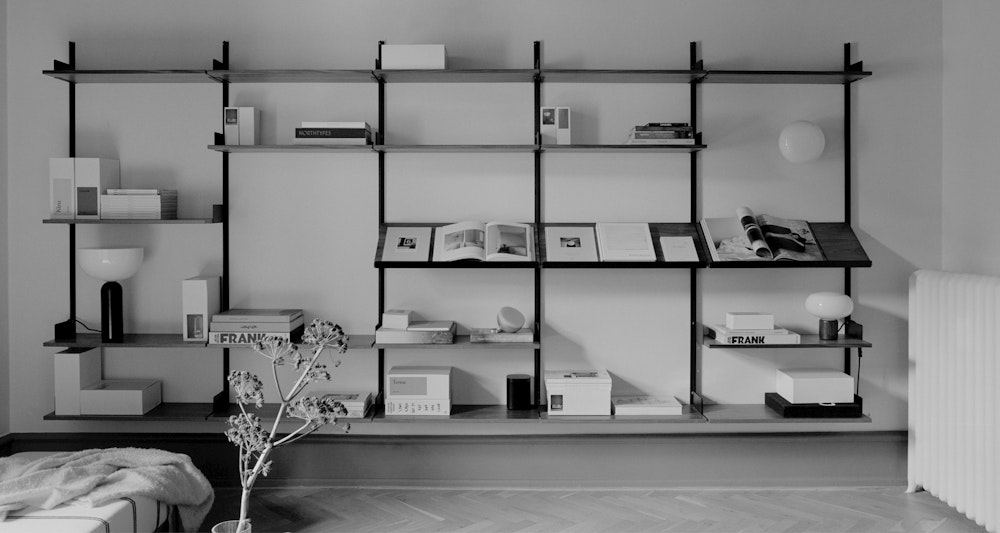
A room is never quite the same room twice in a day. As daylight travels across it, colours shift, shadows lengthen, and objects take on different qualities. A chair can feel soft in the morning, graphic in the afternoon and scaled back to merely a silhouette after dark, when the light of lamps takes over.

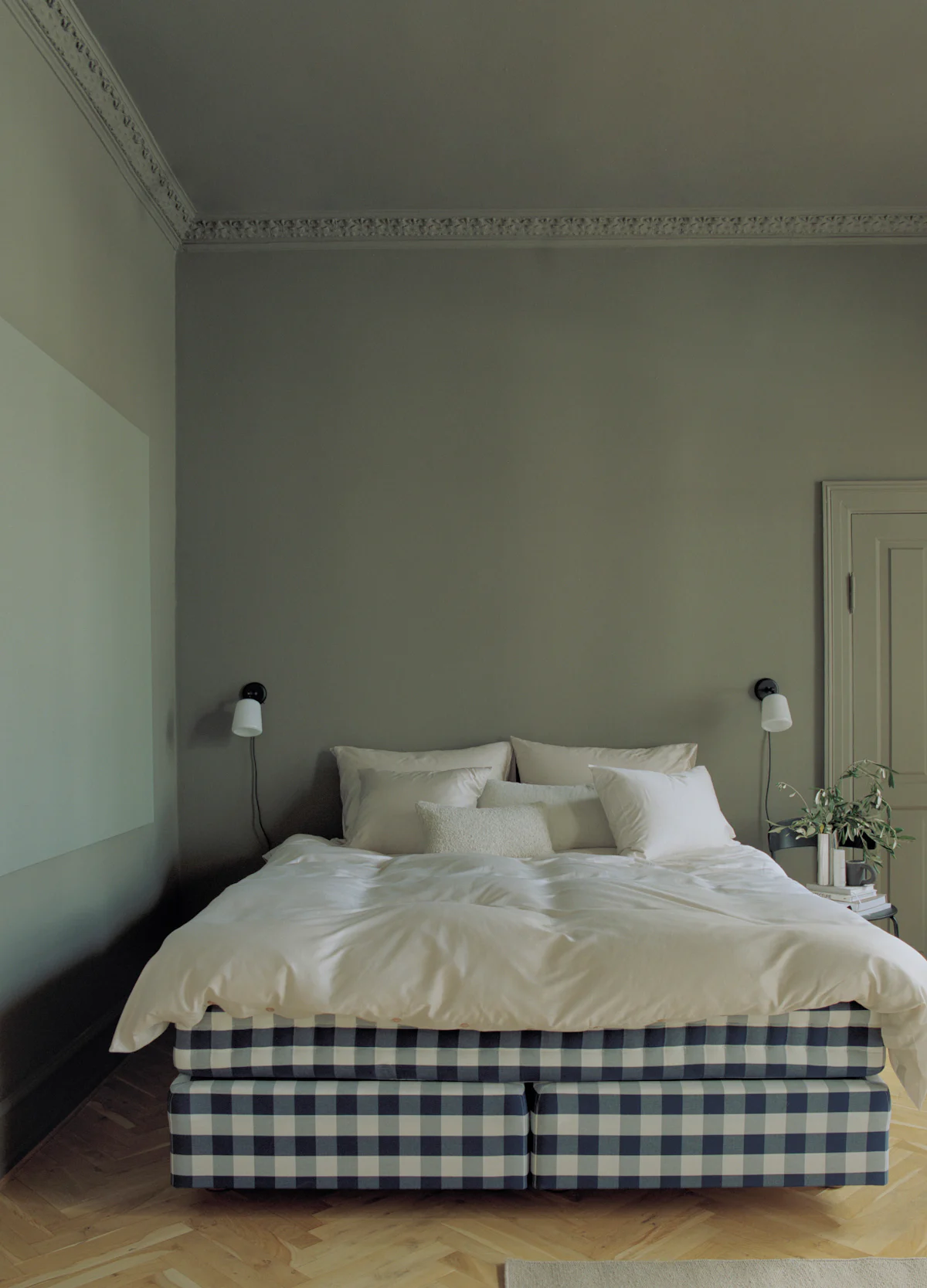
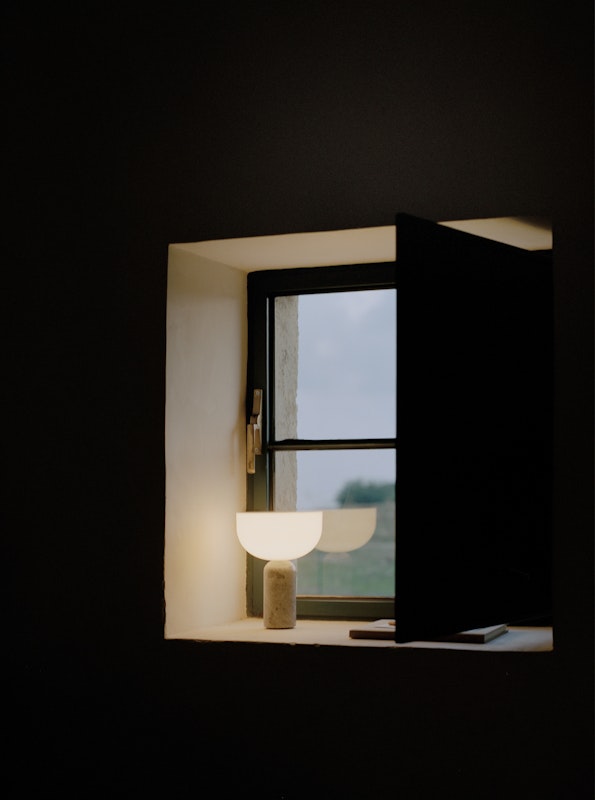
This layering is part of what makes a room feel inhabited. Light does not need to reach every corner. A small pool of warmth can draw you towards a chair, make a table feel inviting or give a corner a sense of presence. The shadows between these points matter too. They give objects depth, separate one area from another and give the eye somewhere to rest.
Corners recede, shadows deepen, and individual light sources begin to shape the space, each creating its own field, allowing some areas to come forward while others remain in shadow.
Light reveals, but it also transforms. Marble catches the morning sun differently from brushed steel; wood absorbs it, while glass reflects and passes it on. Materials can appear warmer, cooler, softer or more pronounced depending on the light around them. How we experience a space is never entirely separate from how it is lit.
The transition from daylight to artificial light is therefore more than a practical one. As the sun fades, the room gradually gives up its even illumination. Corners recede, shadows deepen, and individual light sources begin to shape the space, each creating its own field, allowing some areas to come forward while others remain in shadow.
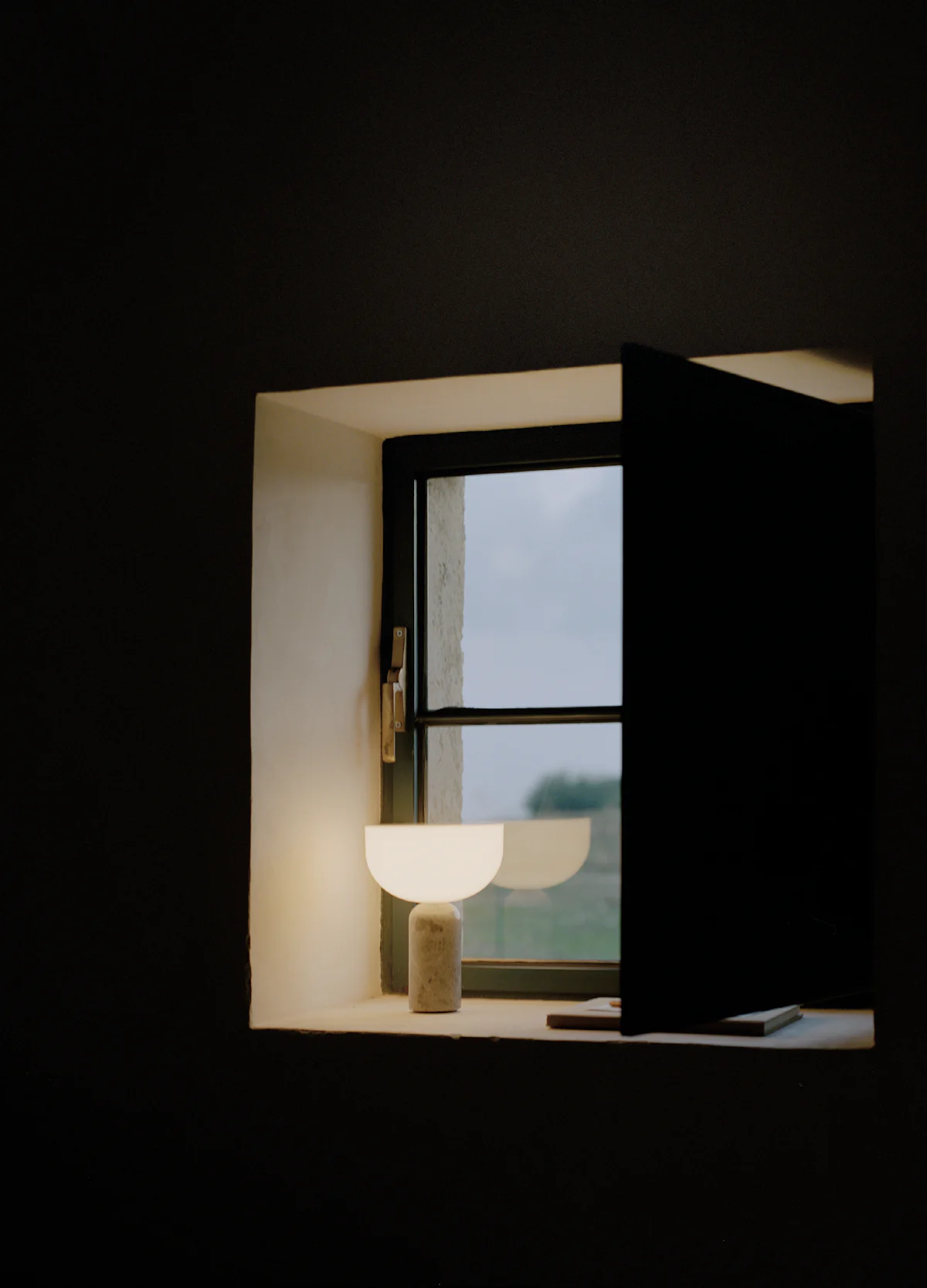
This layering is part of what makes a room feel inhabited. Light does not need to reach every corner. A small pool of warmth can draw you towards a chair, make a table feel inviting or give a corner a sense of presence. The shadows between these points matter too. They give objects depth, separate one area from another and give the eye somewhere to rest.
Corners recede, shadows deepen, and individual light sources begin to shape the space, each creating its own field, allowing some areas to come forward while others remain in shadow.
Light reveals, but it also transforms. Marble catches the morning sun differently from brushed steel; wood absorbs it, while glass reflects and passes it on. Materials can appear warmer, cooler, softer or more pronounced depending on the light around them. How we experience a space is never entirely separate from how it is lit.
The transition from daylight to artificial light is therefore more than a practical one. As the sun fades, the room gradually gives up its even illumination. Corners recede, shadows deepen, and individual light sources begin to shape the space, each creating its own field, allowing some areas to come forward while others remain in shadow.
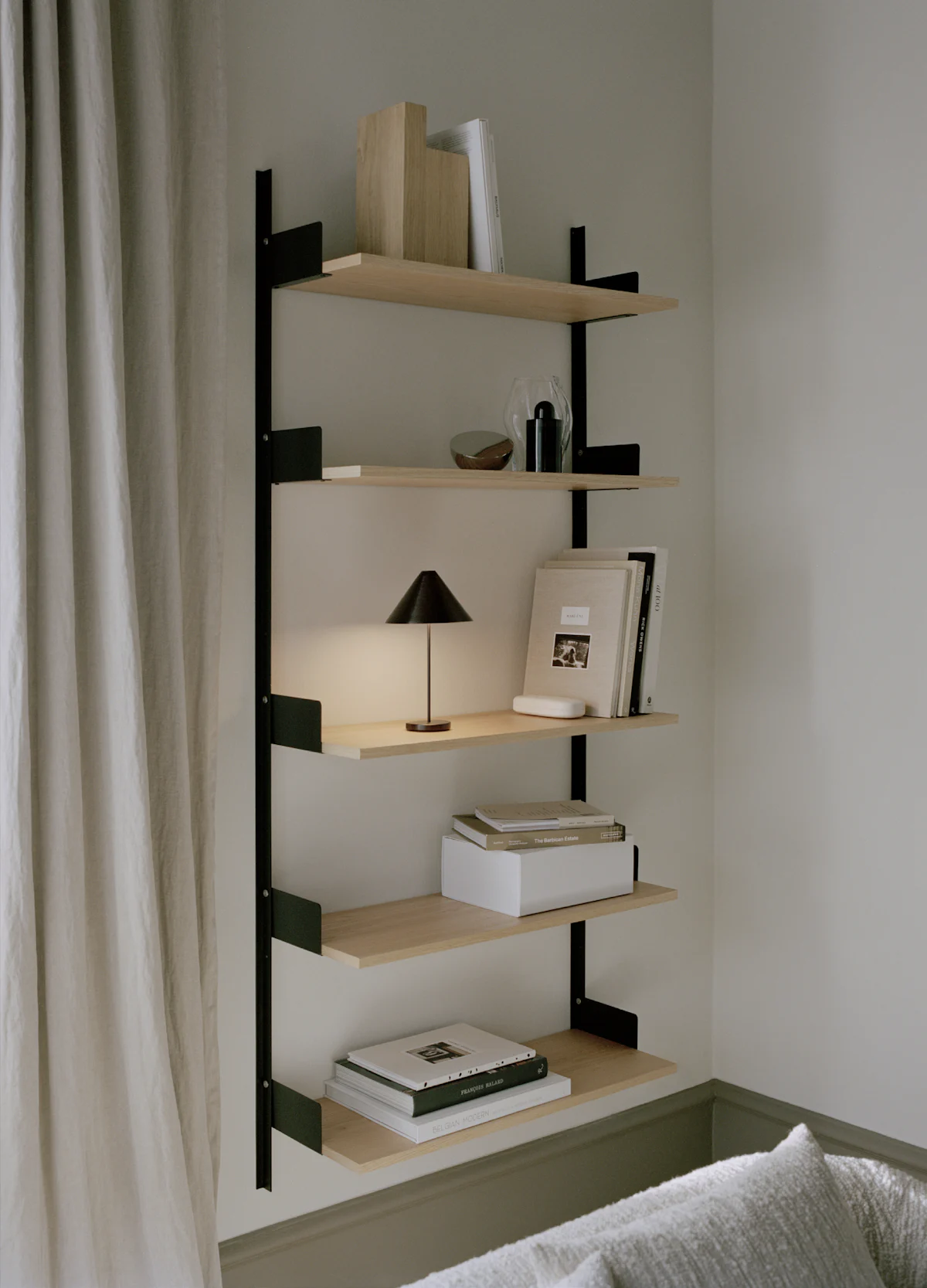
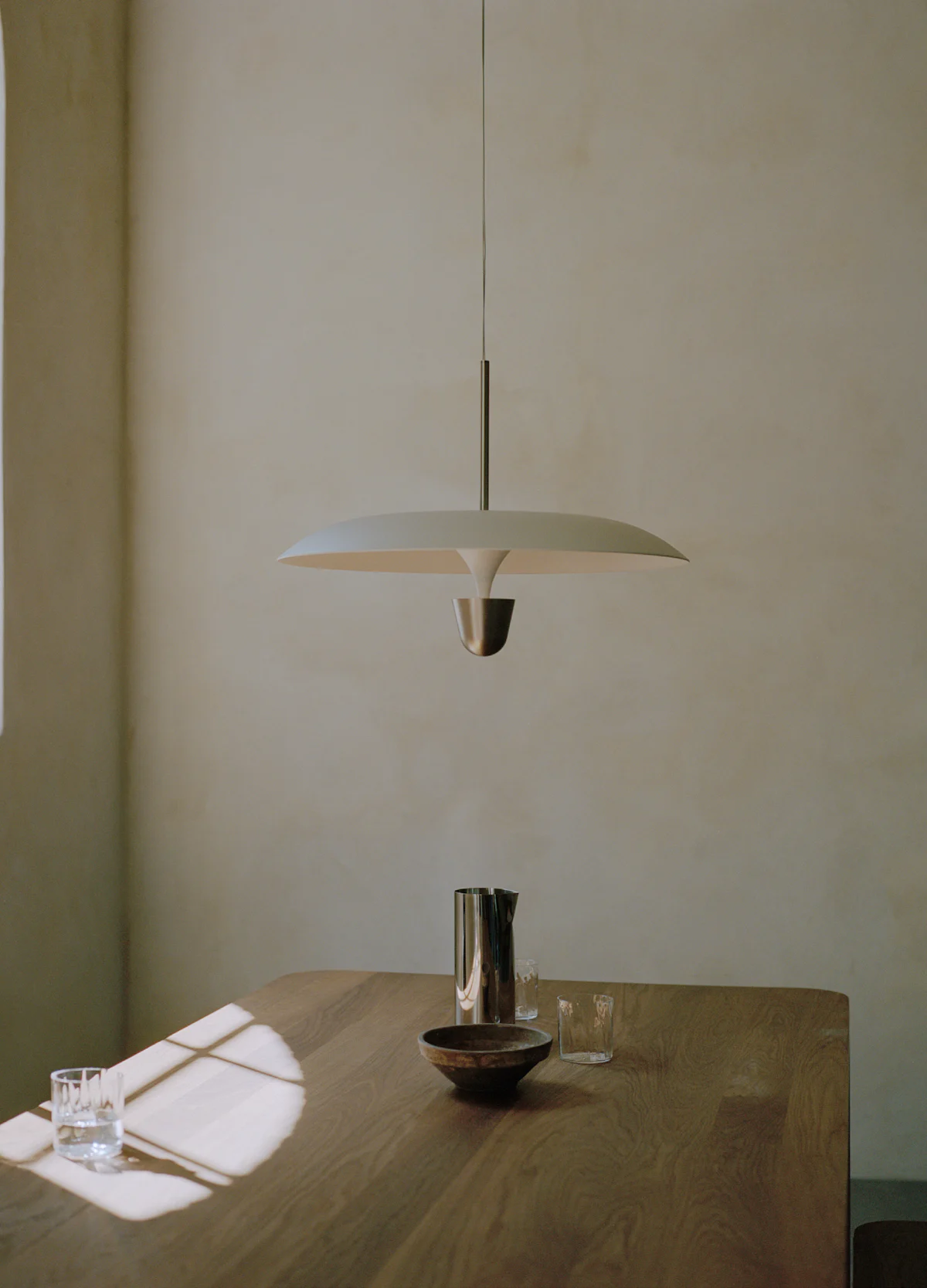


Lamps contribute with their sculptural presence during the day and take over where it leaves off. It gives the room another way of being seen — shaped by the objects we choose to illuminate, and the spaces we leave in shadow.
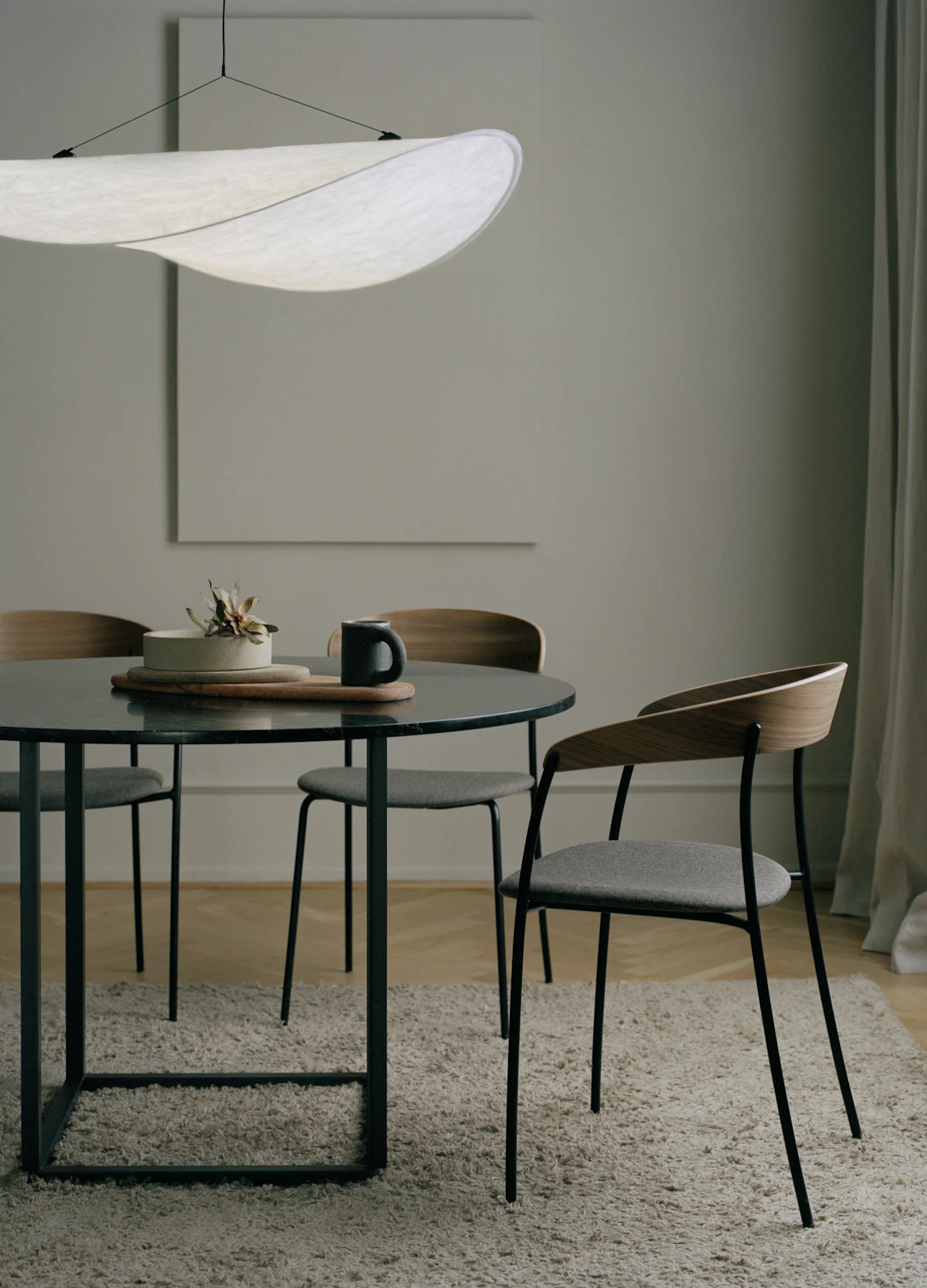
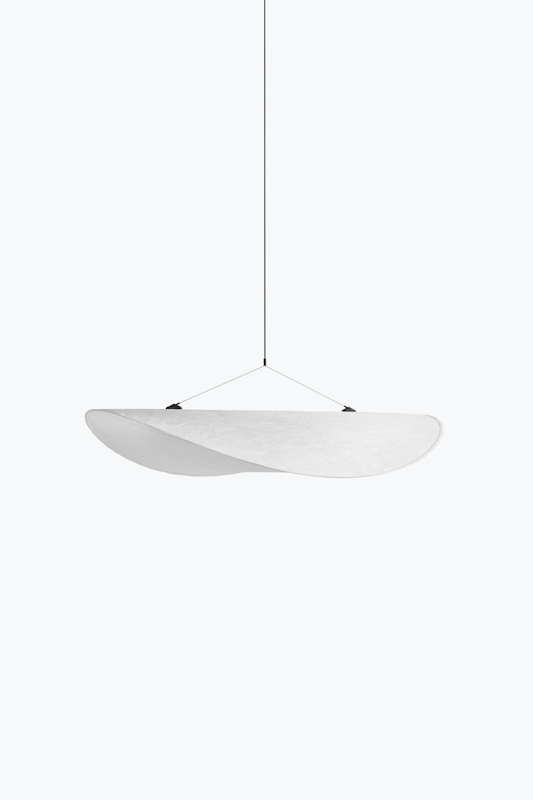
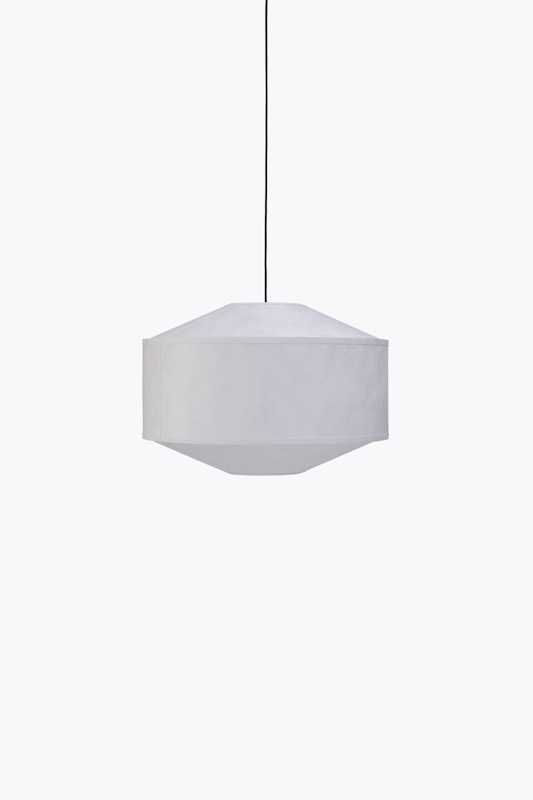
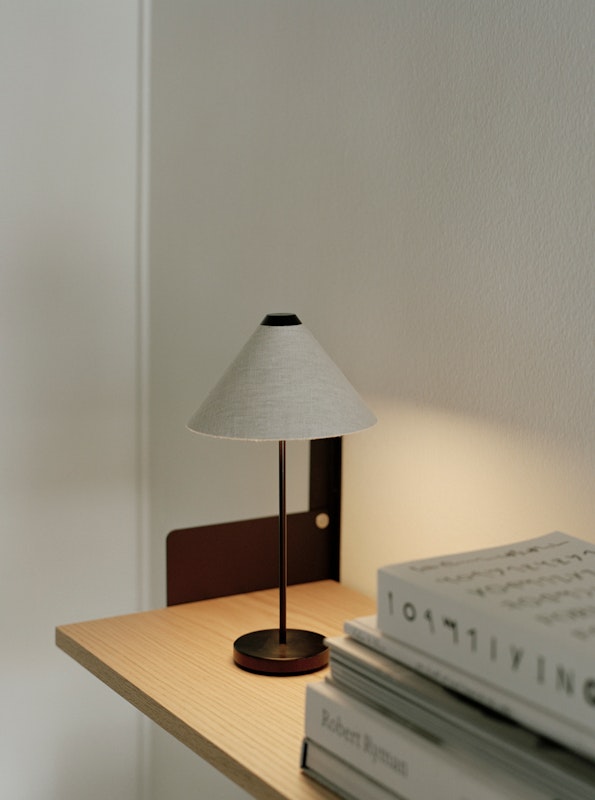
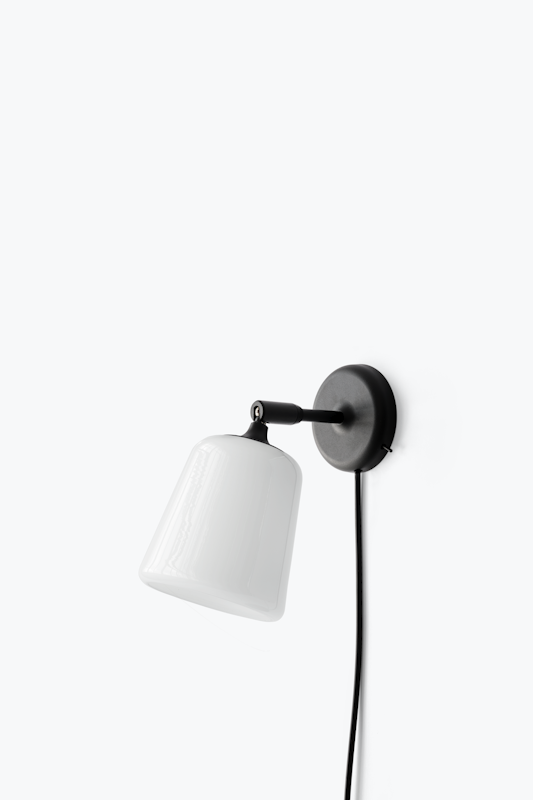
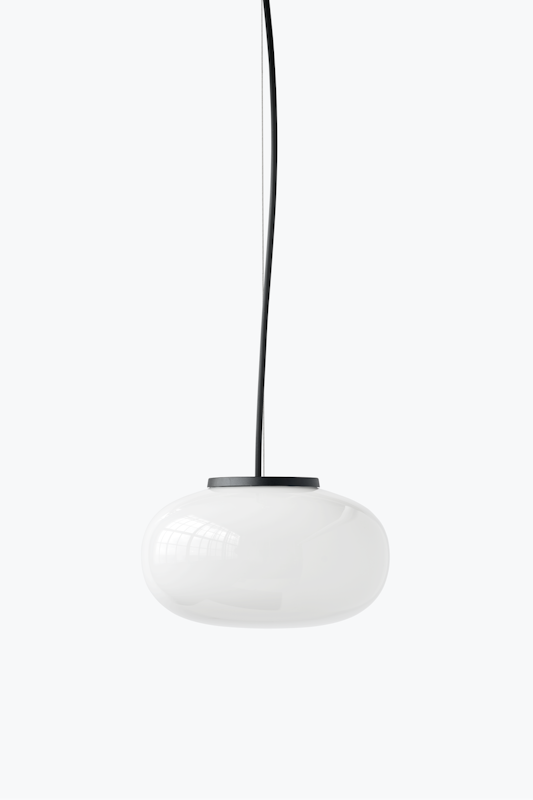
The lamp as an object also becomes part of this composition. A pendant can form a point of focus, a floor lamp can add height beside a sofa, and a table lamp can bring balance to a shelf or side table. Even when switched off, these objects continue to shape the room.
After dark, the purpose becomes less about seeing everything and more about deciding what to see and how it feels. Light draws out certain details and allows others to fall away: the table, the chair, a wall, a corner. What remains in the dark is part of the atmosphere too.
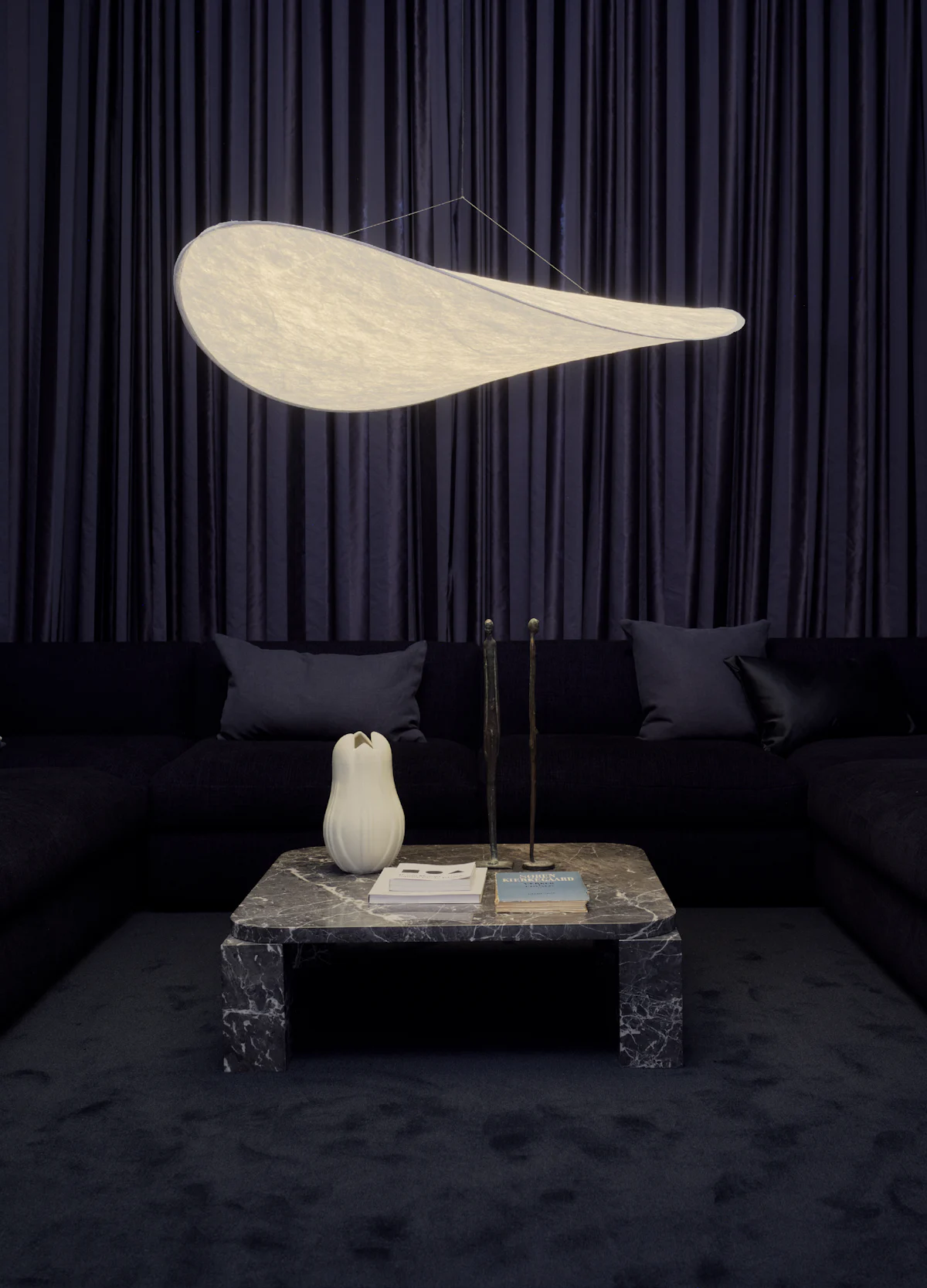
Lamps contribute with their sculptural presence during the day and take over where it leaves off. It gives the room another way of being seen — shaped by the objects we choose to illuminate, and the spaces we leave in shadow.
The lamp as an object also becomes part of this composition. A pendant can form a point of focus, a floor lamp can add height beside a sofa, and a table lamp can bring balance to a shelf or side table. Even when switched off, these objects continue to shape the room.
After dark, the purpose becomes less about seeing everything and more about deciding what to see and how it feels. Light draws out certain details and allows others to fall away: the table, the chair, a wall, a corner. What remains in the dark is part of the atmosphere too.