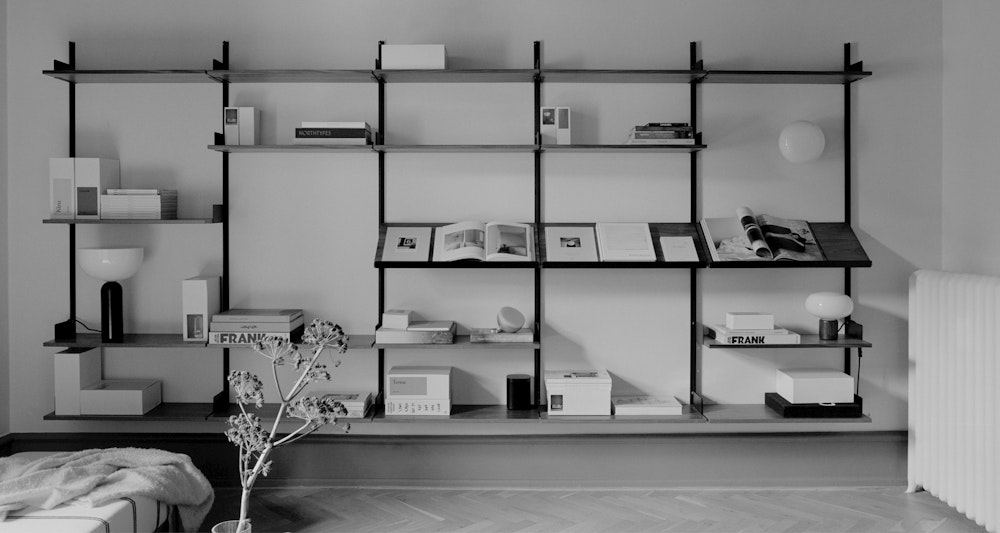
When Making Becomes Part of the Design
What happens when a designer works side by side with the people who build the object? In Kongsvinger, Norway, the answer begins with steel.

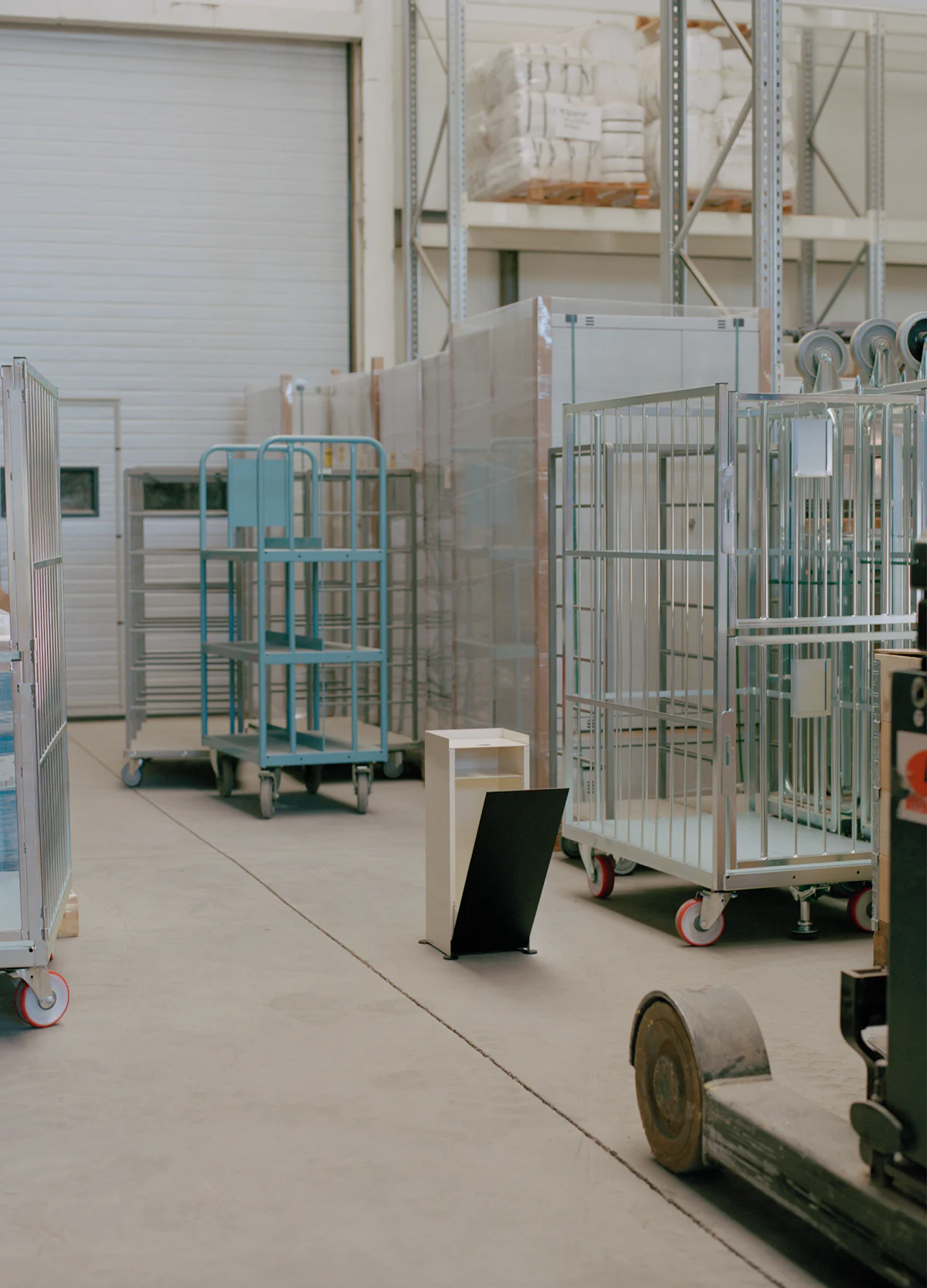
Eskoleia brought a very different, but complementary, kind of knowledge. With product development and production side by side, the distance between idea and execution was kept remarkably short.
What followed was a constant exchange. Sketches became models, models became prototypes, and prototypes travelled back to the factory floor. Stokke worked at full scale, living with the pieces in his studio and refining them over time, in close dialogue with Eskoleia's R&D team about how each design actually could be produced.
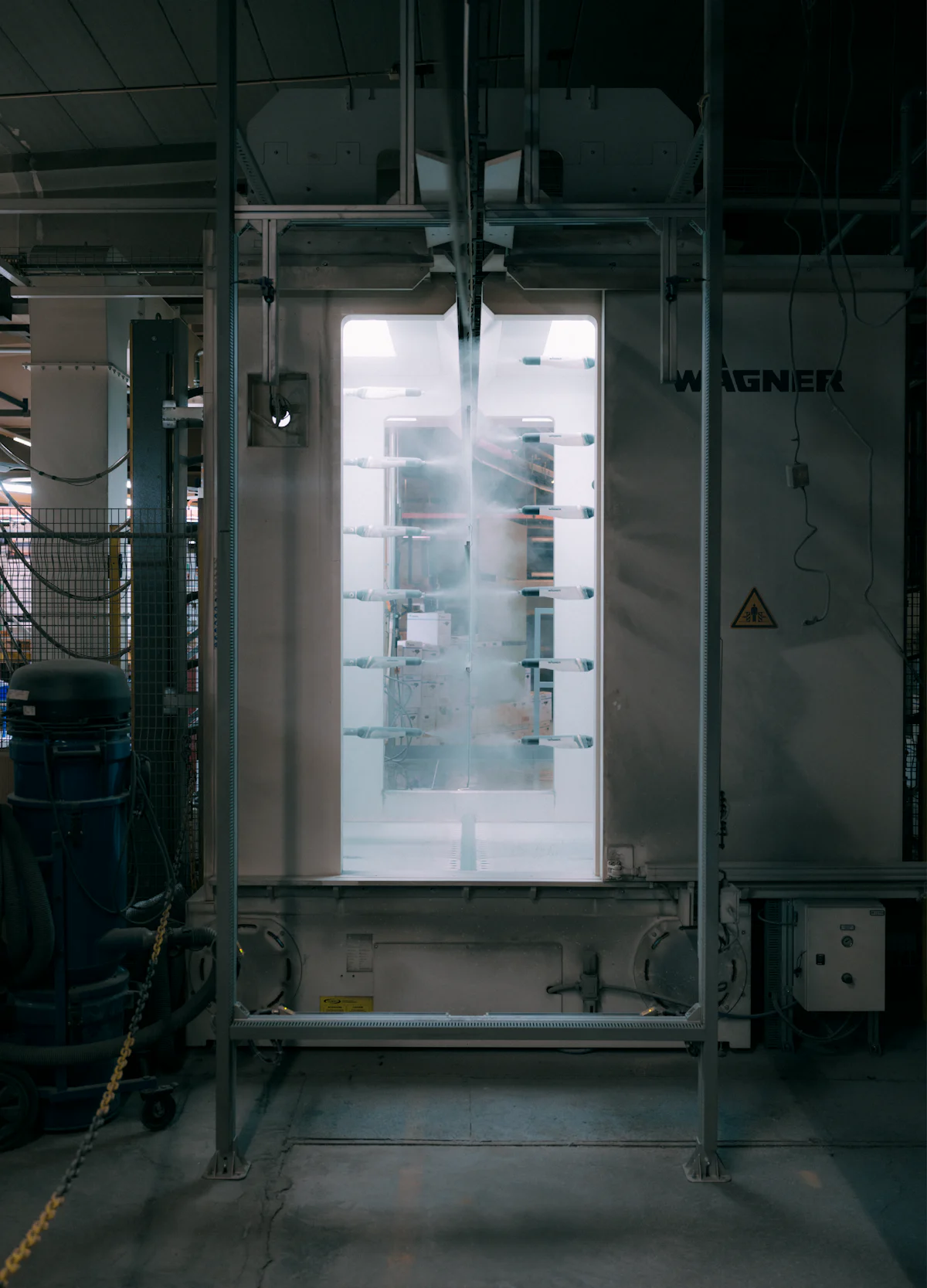
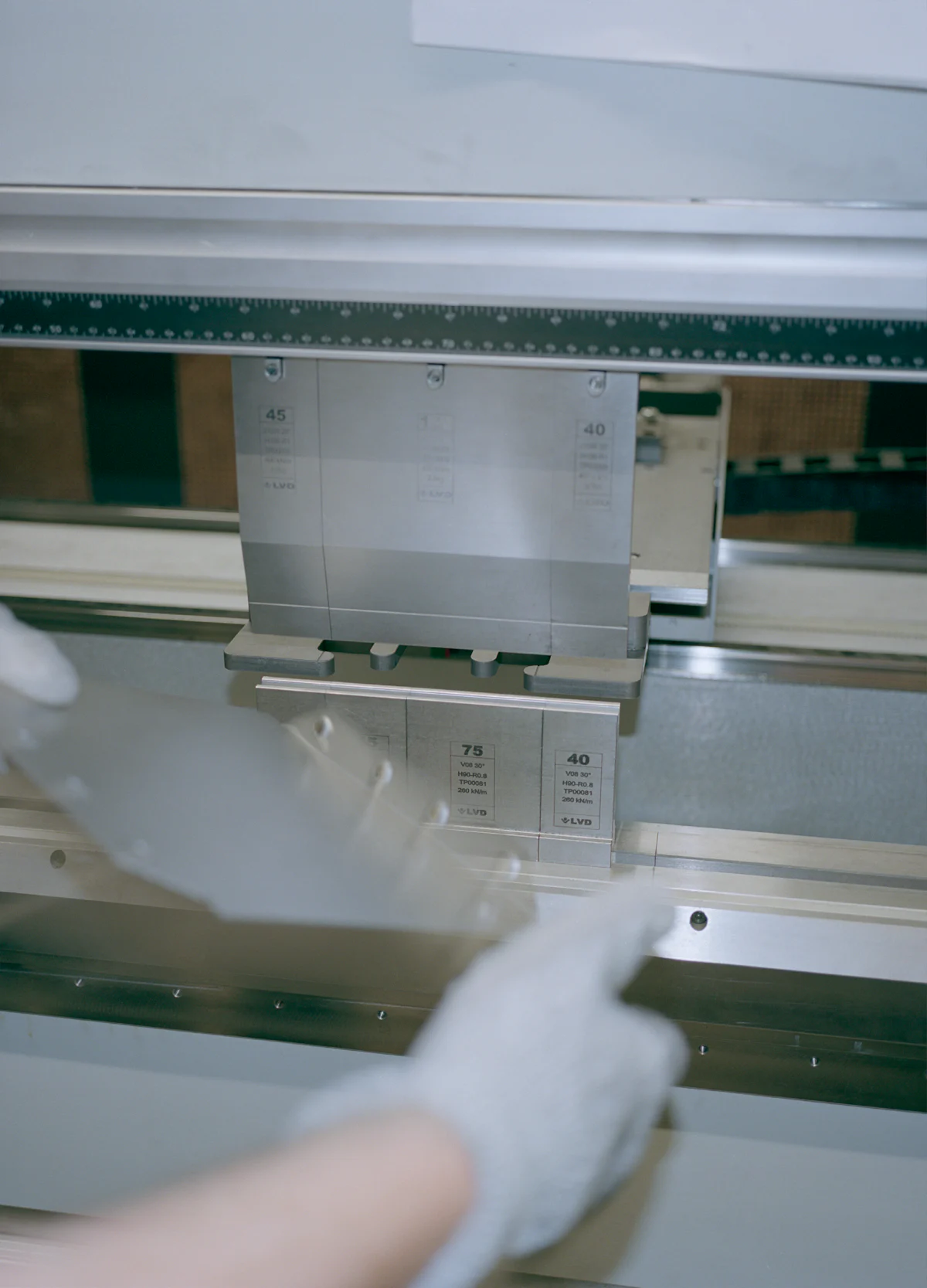
Eskoleia has worked with sheet steel since 1912. More than a century on, the company still develops and produces its furniture in Kongsvinger, with development and manufacturing under one roof. Here, drawings meet machinery almost immediately, and an idea must hold up not just on paper but in metal. It is where Unit was born.
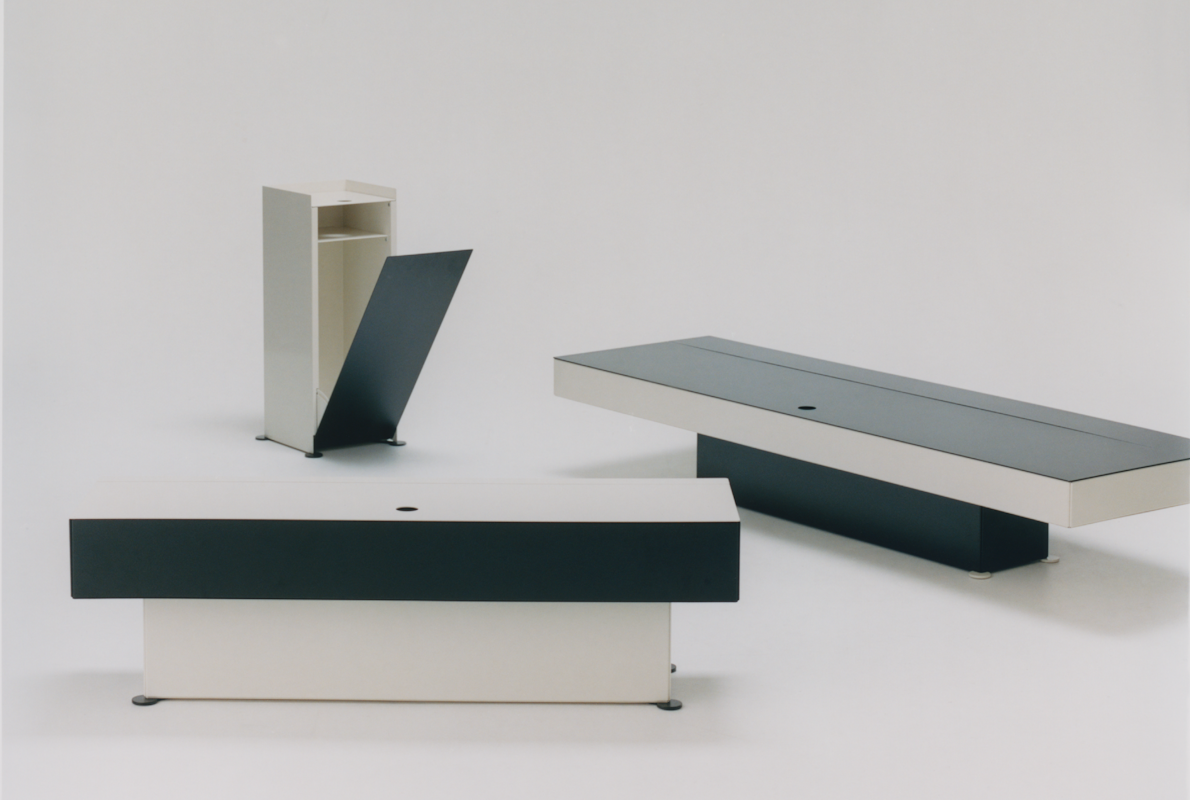
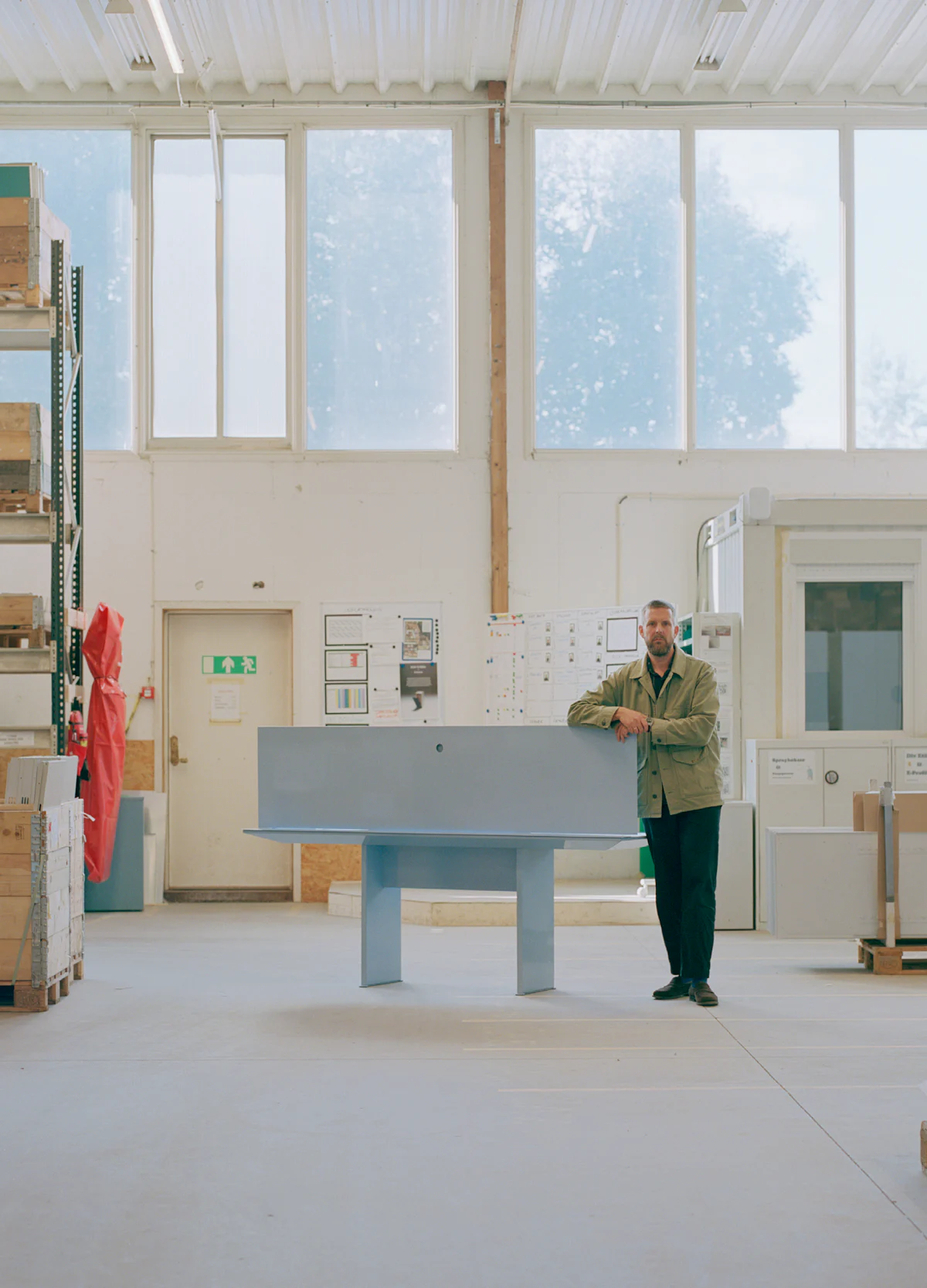
The collection is a collaboration between Norwegian designer Jonas Ravlo Stokke, Eskoleia and New Works. It began with an exploration of what can happen when a producer’s knowledge of steel meets a contemporary approach to storage.
For Stokke, the appeal lay in the making itself. Raised in a family of architects, he thinks instinctively in structure and assembly, while his technical background has given him a fascination with manufacturing and with an object's life beyond the drawing board.
Eskoleia brought a very different, but complementary, kind of knowledge. With product development and production side by side, the distance between idea and execution was kept remarkably short.
What followed was a constant exchange. Sketches became models, models became prototypes, and prototypes travelled back to the factory floor. Stokke worked at full scale, living with the pieces in his studio and refining them over time, in close dialogue with Eskoleia's R&D team about how each design actually could be produced.
Eskoleia has worked with sheet steel since 1912. More than a century on, the company still develops and produces its furniture in Kongsvinger, with development and manufacturing under one roof. Here, drawings meet machinery almost immediately, and an idea must hold up not just on paper but in metal. It is where Unit was born.
The collection is a collaboration between Norwegian designer Jonas Ravlo Stokke, Eskoleia and New Works. It began with an exploration of what can happen when a producer’s knowledge of steel meets a contemporary approach to storage.
For Stokke, the appeal lay in the making itself. Raised in a family of architects, he thinks instinctively in structure and assembly, while his technical background has given him a fascination with manufacturing and with an object's life beyond the drawing board.
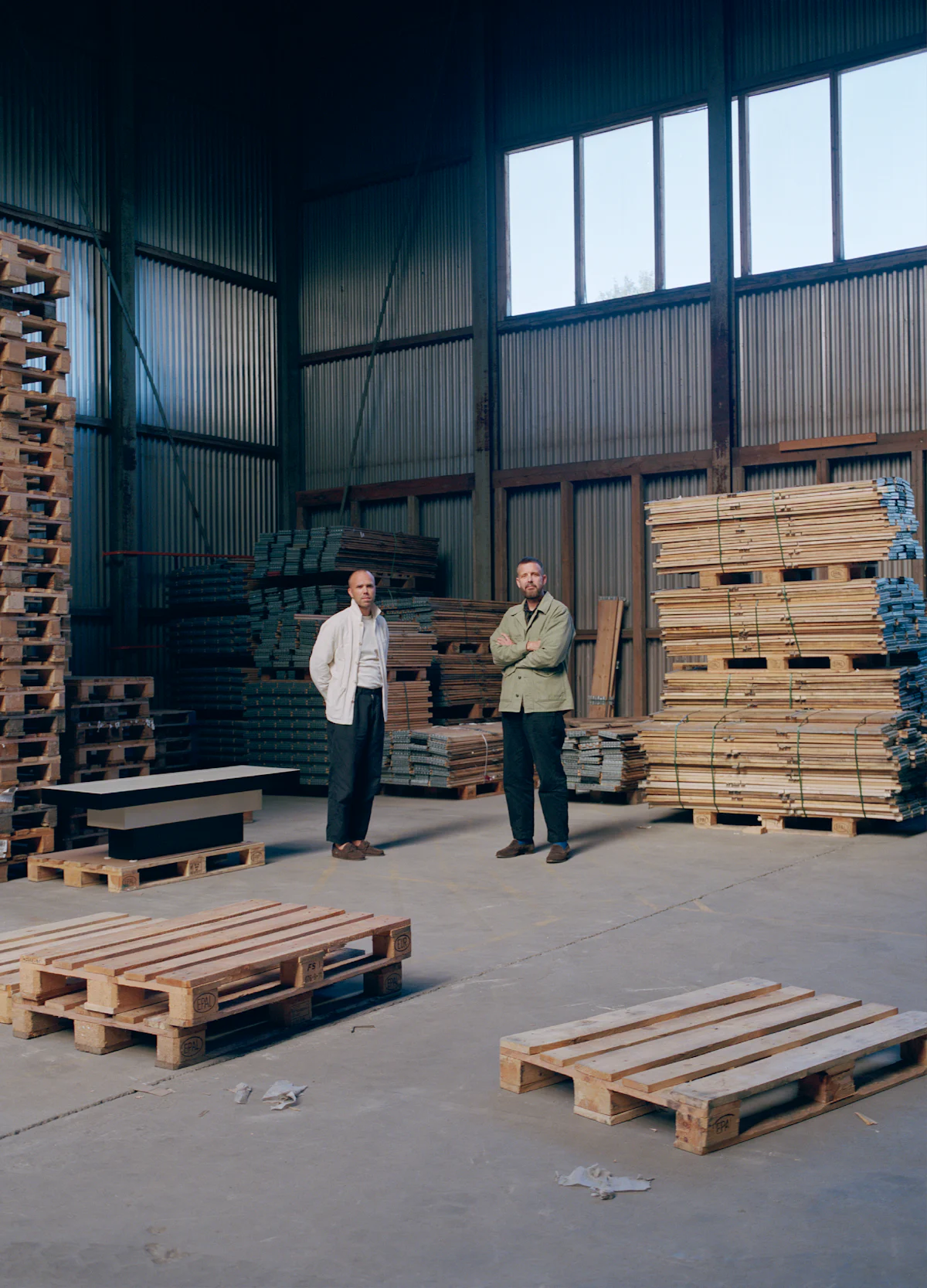

We tend to think of design as the moment an idea takes shape. Unit suggests something broader: that design also happens in the conversation between idea and material, between drawing and machine, between the person who imagines an object and those who know how to make it.
In Kongsvinger, the two aren’t separate. They happen in the same place, at the same time, and, in Unit´s case, become part of the same object.
Unit suggests something broader: that design also happens in the conversation between idea and material, between drawing and machine, between the person who imagines an object and those who know how to make it.
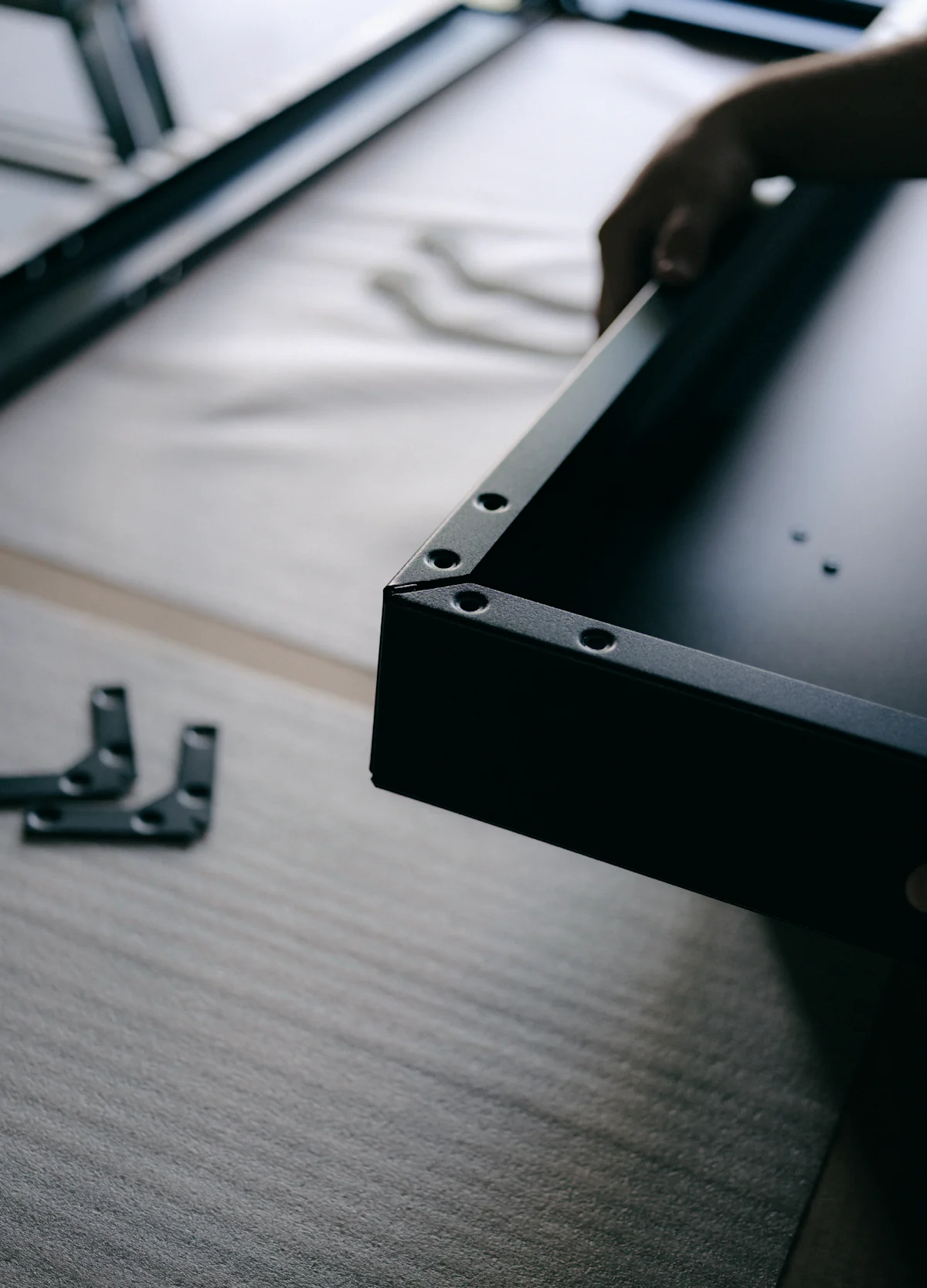
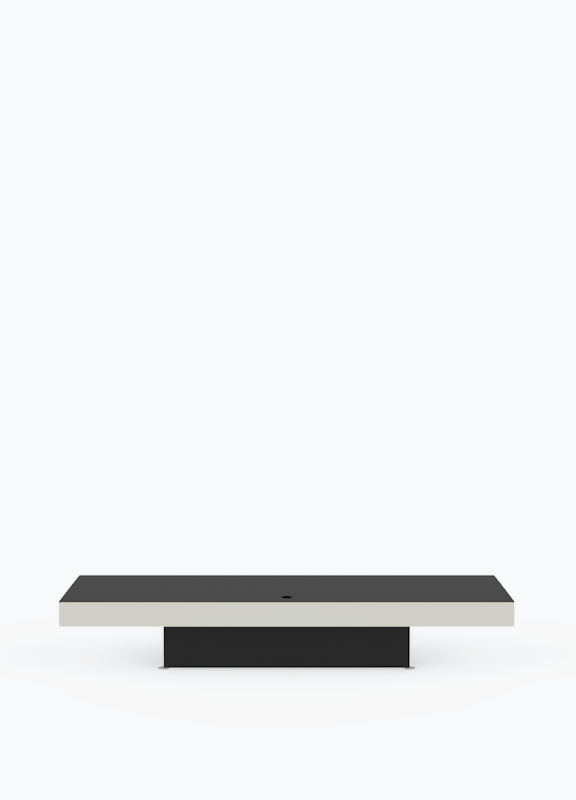
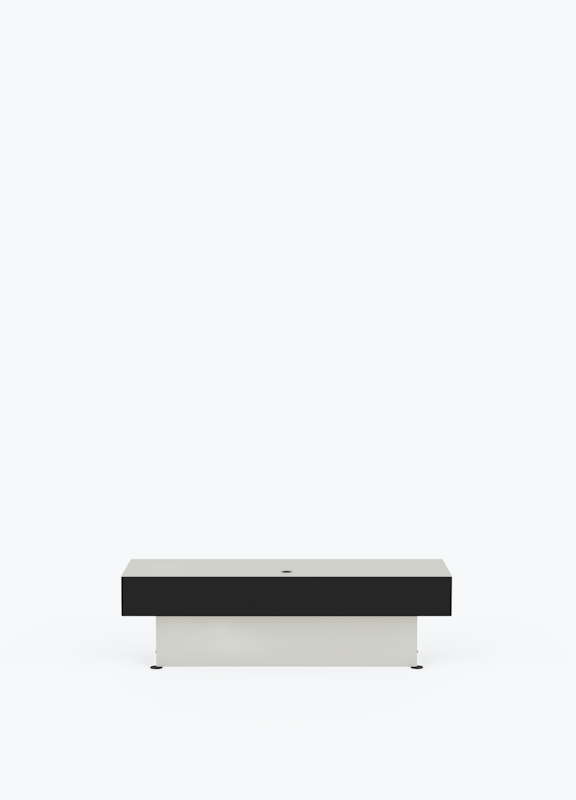
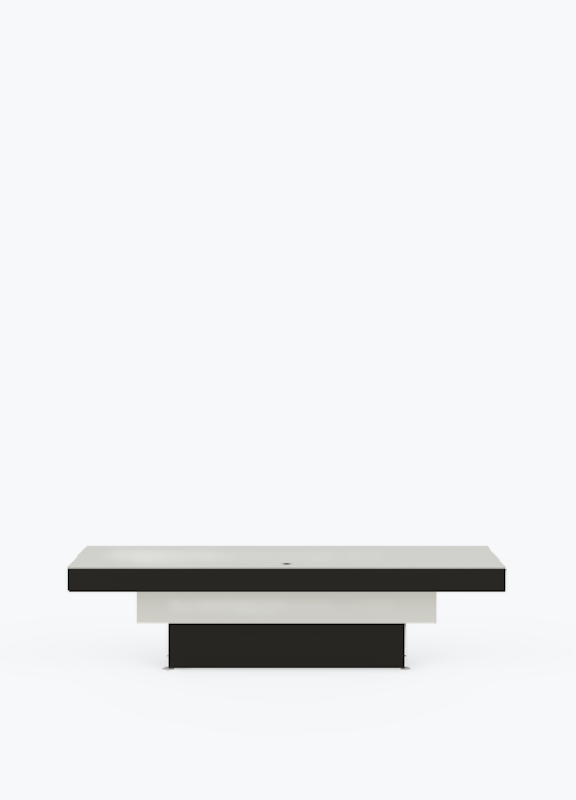
Much of the work happened in details that are easy to overlook in the finished pieces. Every fold had to be precise. So did the hinges and the dampening. Even the sound of the steel mattered, as a hint of play can make a metal piece feel hollow or rattly. The result is a collection of six storage pieces where construction and expression influence one another. Made in Norway from recycled steel and designed to last, Unit is, in Eskoleia's words, a union of function, form and sustainability.
The finished pieces appear precise and resolved. Behind that simplicity lies a long process of testing, adjustment and accumulated knowledge, some belonging to the designer, some to the manufacturer, while many emerged through the exchange between the two.
We tend to think of design as the moment an idea takes shape. Unit suggests something broader: that design also happens in the conversation between idea and material, between drawing and machine, between the person who imagines an object and those who know how to make it.
In Kongsvinger, the two aren’t separate. They happen in the same place, at the same time, and, in Unit´s case, become part of the same object.
Unit suggests something broader: that design also happens in the conversation between idea and material, between drawing and machine, between the person who imagines an object and those who know how to make it.
Much of the work happened in details that are easy to overlook in the finished pieces. Every fold had to be precise. So did the hinges and the dampening. Even the sound of the steel mattered, as a hint of play can make a metal piece feel hollow or rattly. The result is a collection of six storage pieces where construction and expression influence one another. Made in Norway from recycled steel and designed to last, Unit is, in Eskoleia's words, a union of function, form and sustainability.
The finished pieces appear precise and resolved. Behind that simplicity lies a long process of testing, adjustment and accumulated knowledge, some belonging to the designer, some to the manufacturer, while many emerged through the exchange between the two.