
A STUDY 003
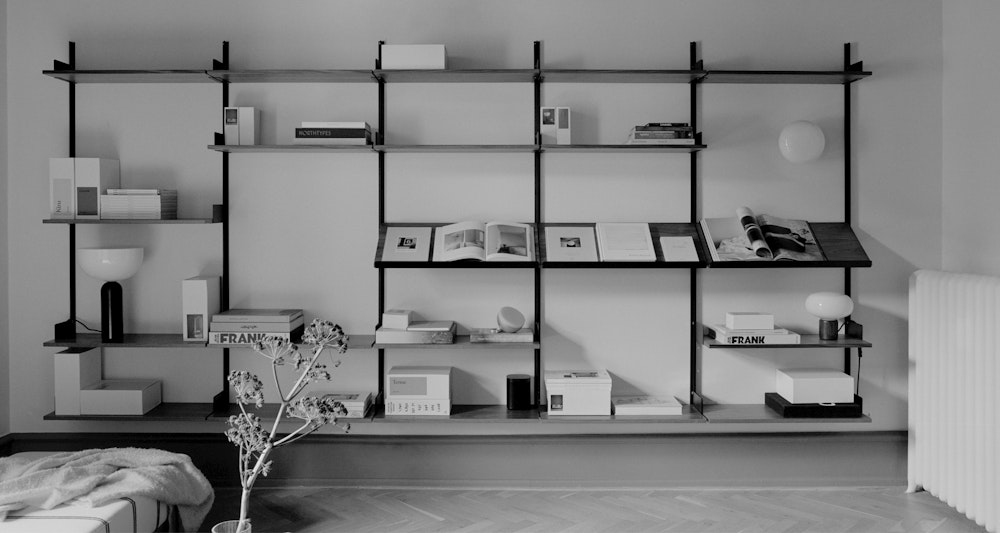
Initiated and curated by New Works, A STUDY 003 brings together five internationally recognized creatives in a shared exploration of metal. Responding through their distinct disciplines and perspectives, each participant has created a personal object for the home, revealing how a single material can give rise to different processes, forms and stories.

Piece 01
by Sarah Emilie Müllertz
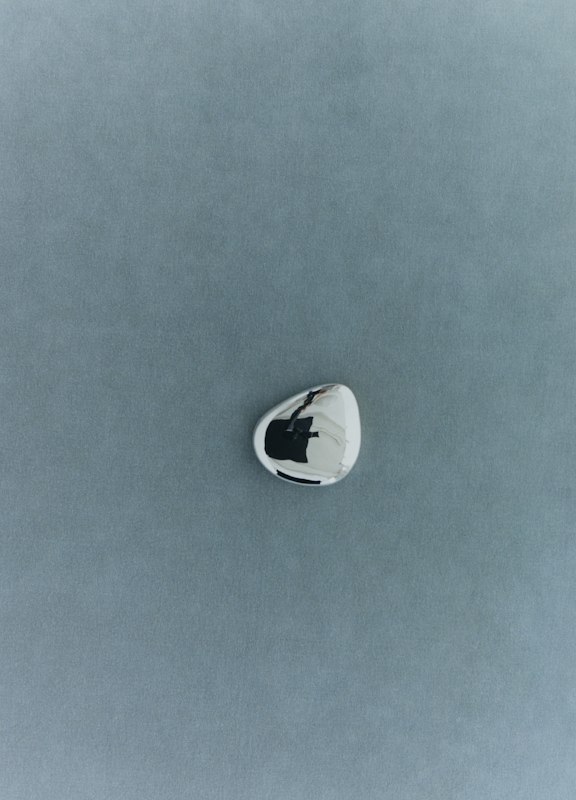
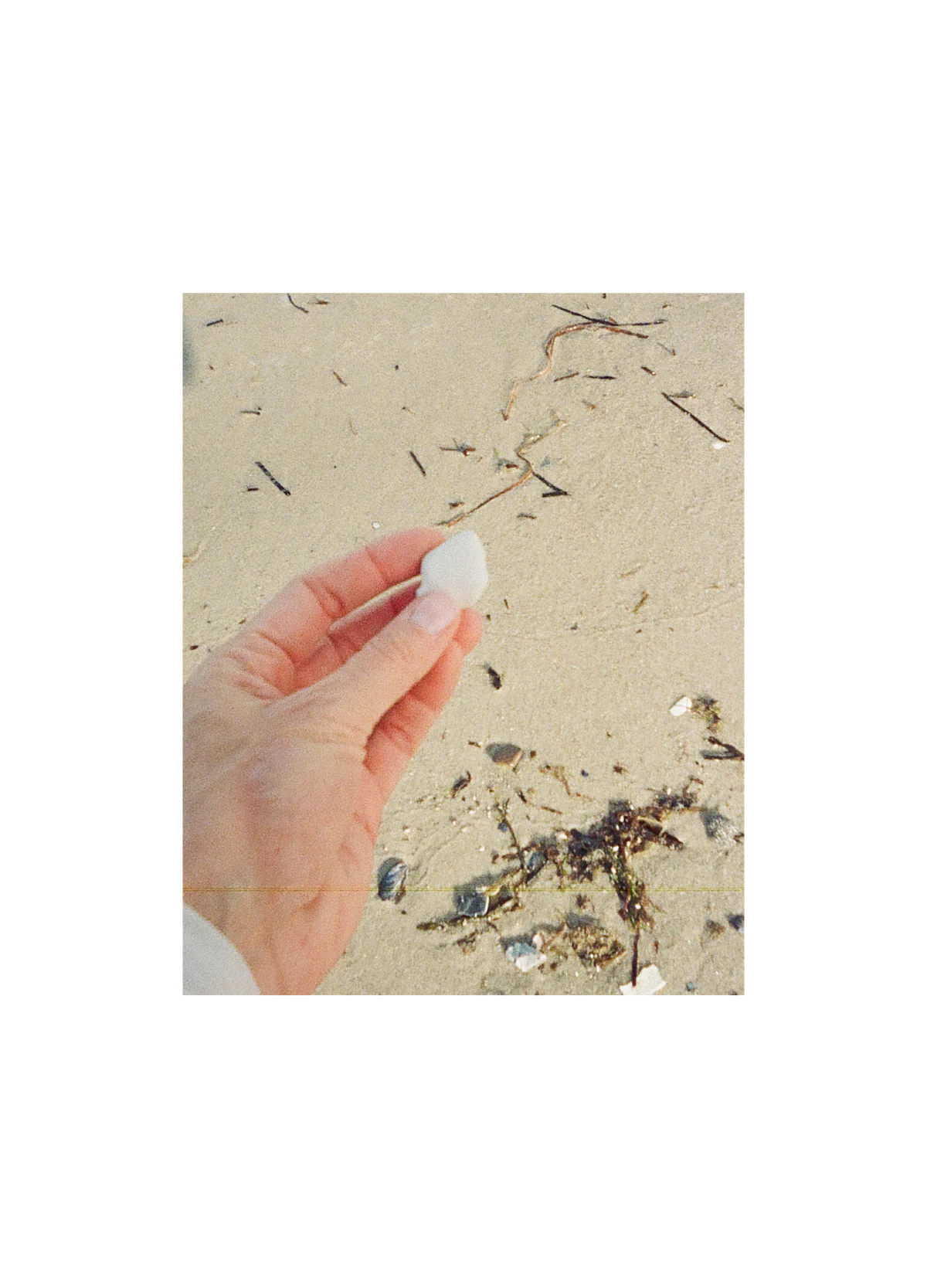
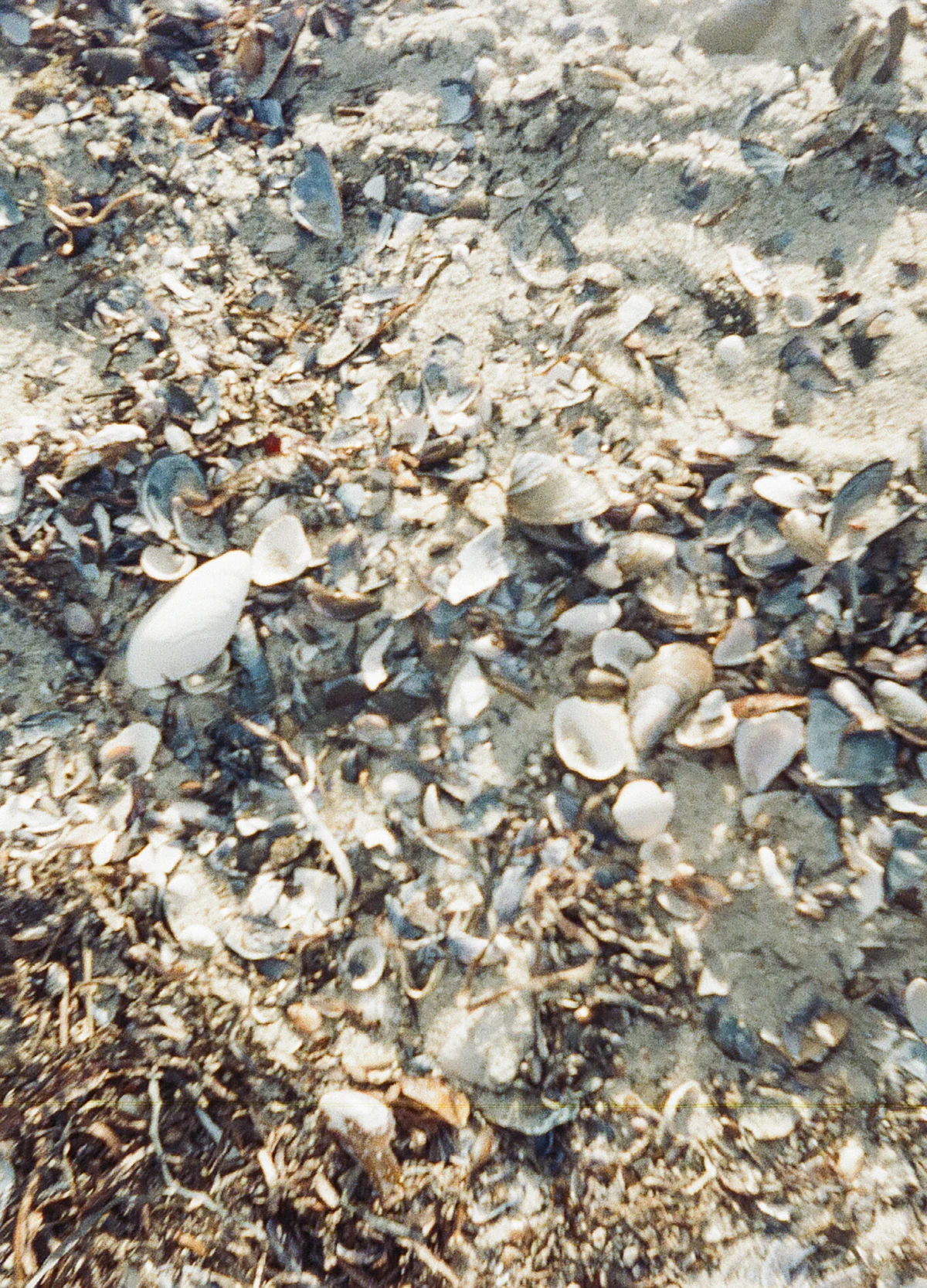
There is a particular disappointment in taking a beautiful stone home from the beach. In the water it is saturated with colour, luminous and alive; by the time it dries, something has disappeared. Sarah Emilie Müllertz has collected such stones for years. What interests her is partly what remains, but also what does not: the memory of a colour and patterns only the person who once picked up the stone has seen. When asked to make a treasure, she returned to one of them.
Its body became a small box, first drawn by hand, then modelled, printed and finally made in silver. The choice feels almost inevitable. Silver has something of water in it — cool, reflective, seemingly liquid — but unlike the stone, it begins to record traces of time after it comes home. It oxidises. It scratches. It takes on fingerprints and traces of handling.
The box opens to reveal a space for something small enough to keep to oneself. In that sense, Müllertz has made a treasure with two interiors: the physical one, which can hold an object, and another made from memory, known only to its owner.
We all carry certain preferences with us — small inclinations that reveal themselves in the objects we reach for each day. The balanced weight of a specific fork. A cup someone once claimed as their own and, somehow, kept. These are the treasures of a home, gathered and kept through the years or until time makes its mark and they run their course.
For its third edition, A STUDY brings together five internationally recognised creatives and invites each to respond to a shared premise: metal as both material and medium. Working across distinct disciplines and perspectives, the participants have created personal objects for the home, conceived as small treasures shaped by memory, ritual and everyday use.
Rather than seeking a single conclusion, the study places emphasis on interpretation and process: how a shared material can be bent, cast, forged or otherwise transformed through individual ways of thinking and making. Together, the resulting objects form a collective exploration of metal, revealing both the possibilities of the material and the creative voices behind each response.
Piece 01
by Sarah Emilie Müllertz
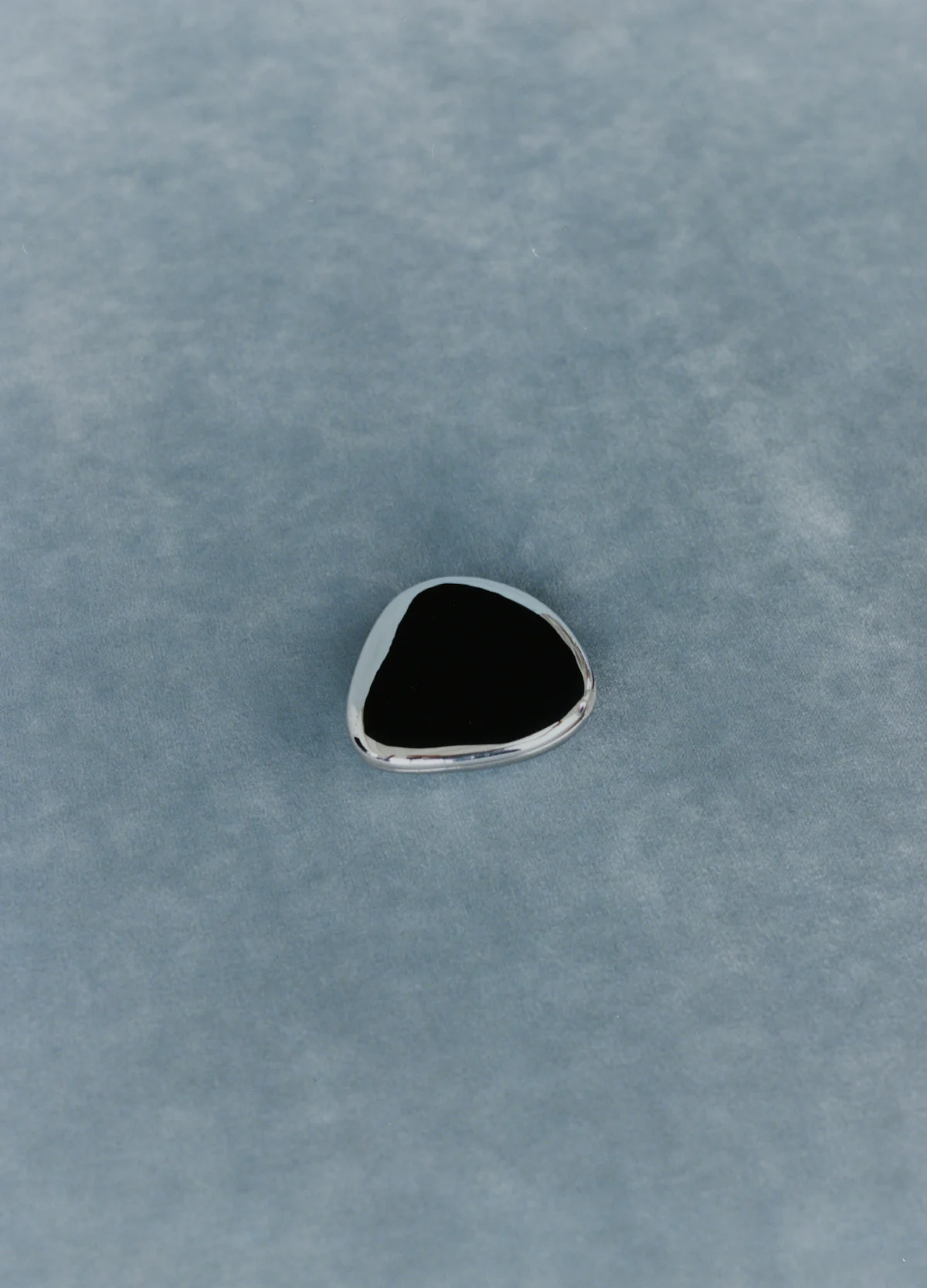
There is a particular disappointment in taking a beautiful stone home from the beach. In the water it is saturated with colour, luminous and alive; by the time it dries, something has disappeared. Sarah Emilie Müllertz has collected such stones for years. What interests her is partly what remains, but also what does not: the memory of a colour and patterns only the person who once picked up the stone has seen. When asked to make a treasure, she returned to one of them.
Its body became a small box, first drawn by hand, then modelled, printed and finally made in silver. The choice feels almost inevitable. Silver has something of water in it — cool, reflective, seemingly liquid — but unlike the stone, it begins to record traces of time after it comes home. It oxidises. It scratches. It takes on fingerprints and traces of handling.
The box opens to reveal a space for something small enough to keep to oneself. In that sense, Müllertz has made a treasure with two interiors: the physical one, which can hold an object, and another made from memory, known only to its owner.
We all carry certain preferences with us — small inclinations that reveal themselves in the objects we reach for each day. The balanced weight of a specific fork. A cup someone once claimed as their own and, somehow, kept. These are the treasures of a home, gathered and kept through the years or until time makes its mark and they run their course.
For its third edition, A STUDY brings together five internationally recognised creatives and invites each to respond to a shared premise: metal as both material and medium. Working across distinct disciplines and perspectives, the participants have created personal objects for the home, conceived as small treasures shaped by memory, ritual and everyday use.
Rather than seeking a single conclusion, the study places emphasis on interpretation and process: how a shared material can be bent, cast, forged or otherwise transformed through individual ways of thinking and making. Together, the resulting objects form a collective exploration of metal, revealing both the possibilities of the material and the creative voices behind each response.

Piece 02
by Ali Shah Gallefoss
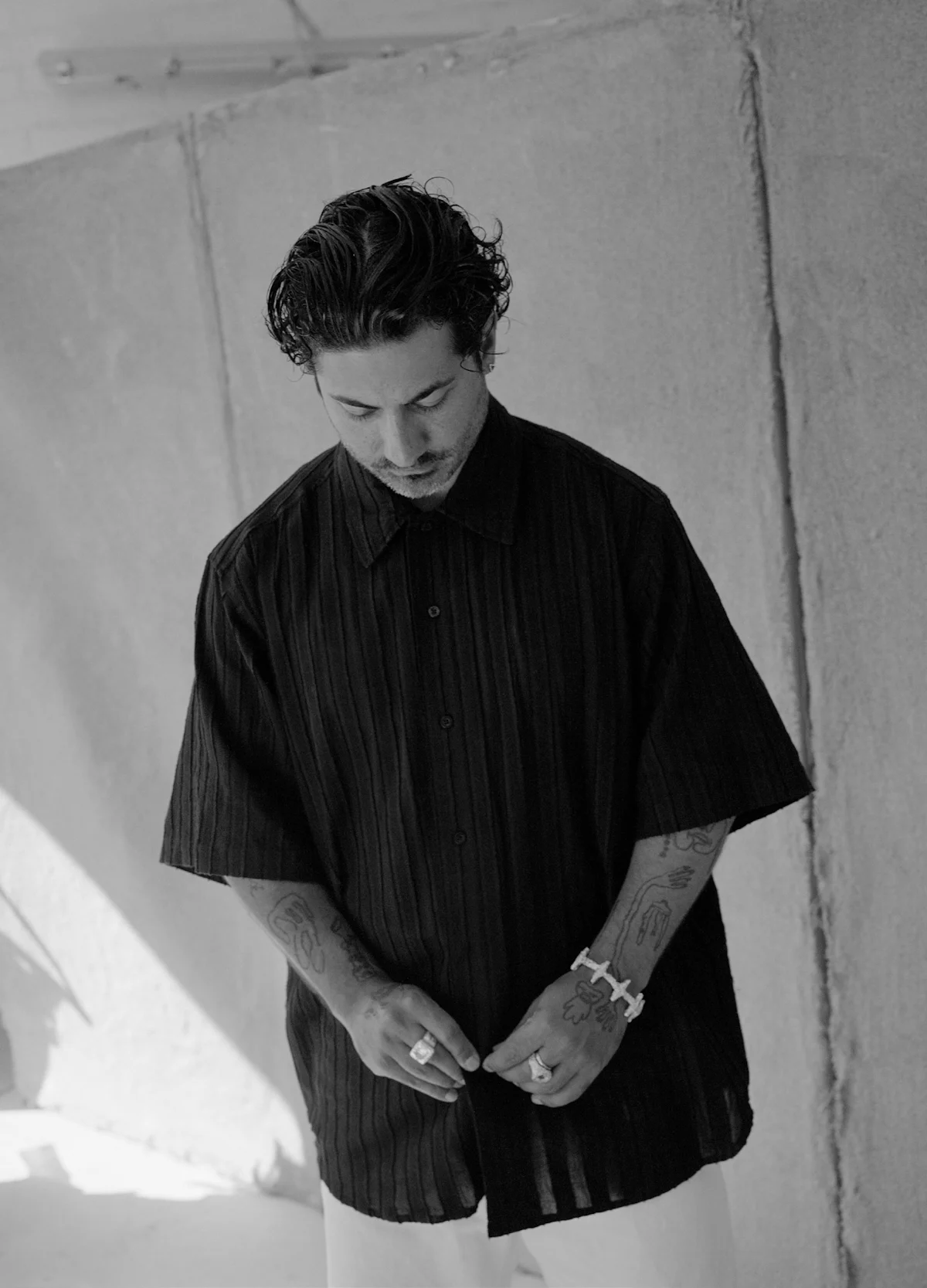
Playfulness has a way of keeping things open in Ali Shah Gallefoss’ work. An idea may begin in one place and find its purpose somewhere else entirely. For A STUDY 003, it led him back to a stone sculpture he had made for a solo exhibition in 2025, and to the drill marks left across its surface. What had been part of making one work became the starting point for another.
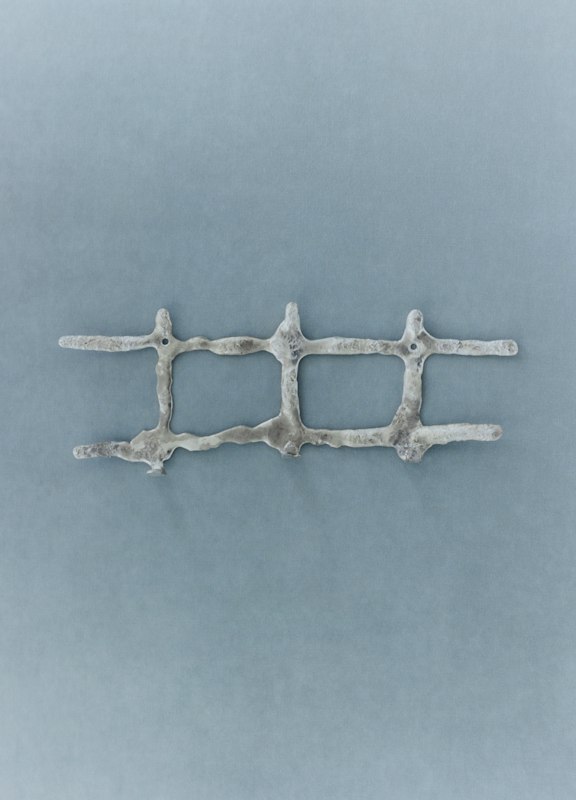
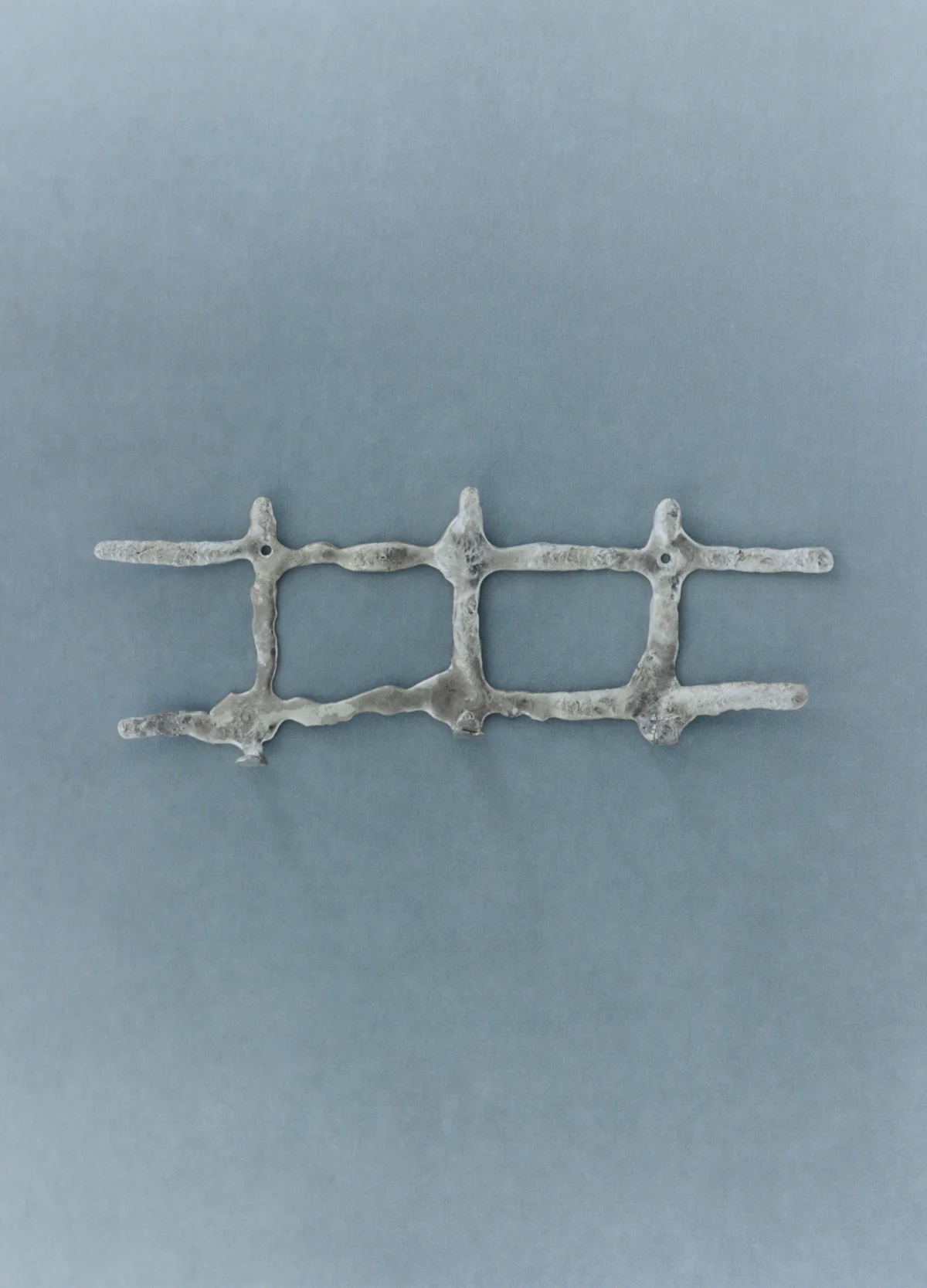
Rather than approaching the project with a finished object in mind, Gallefoss returned to something that had caught his curiosity and began there. The drill marks became moulds for molten pewter, their rigid geometry producing casts that were precise in places and unruly in others. He made many, testing different arrangements, allowing the peculiarities of the metal to guide what came next.
The hooks emerged somewhere along the way. It is characteristic of Gallefoss’ practice: function is not always the premise, but something that can be discovered through making. The resulting objects retain something of that search. Part stone, part metal, part intention, and part accident, they make a case for leaving an idea open long enough to become something you had not thought to look for.

Piece 03
by Yeodong Yun
Yeodong Yun has a particular interest in objects that do not ask to be noticed. So when invited to consider the idea of a treasure in metal for A STUDY 003, she turned her attention to one of the home’s most overlooked objects: the waste bin.
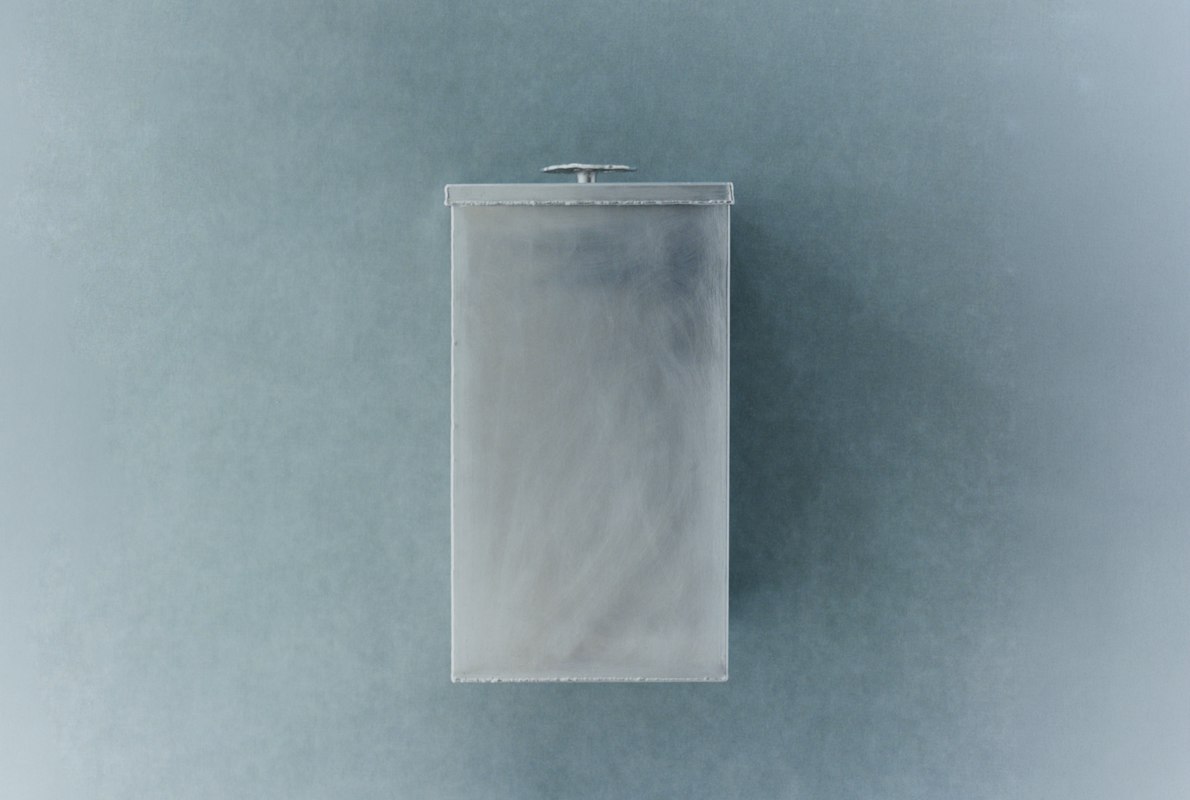
Her choice shifts the question from what makes an object precious to what makes us consider it worthy of attention in the first place. The waste bin remains exactly that. There is no attempt to disguise its purpose. Instead, Yeodong gives its proportions, construction and surface the kind of consideration more readily afforded to objects we choose to display.
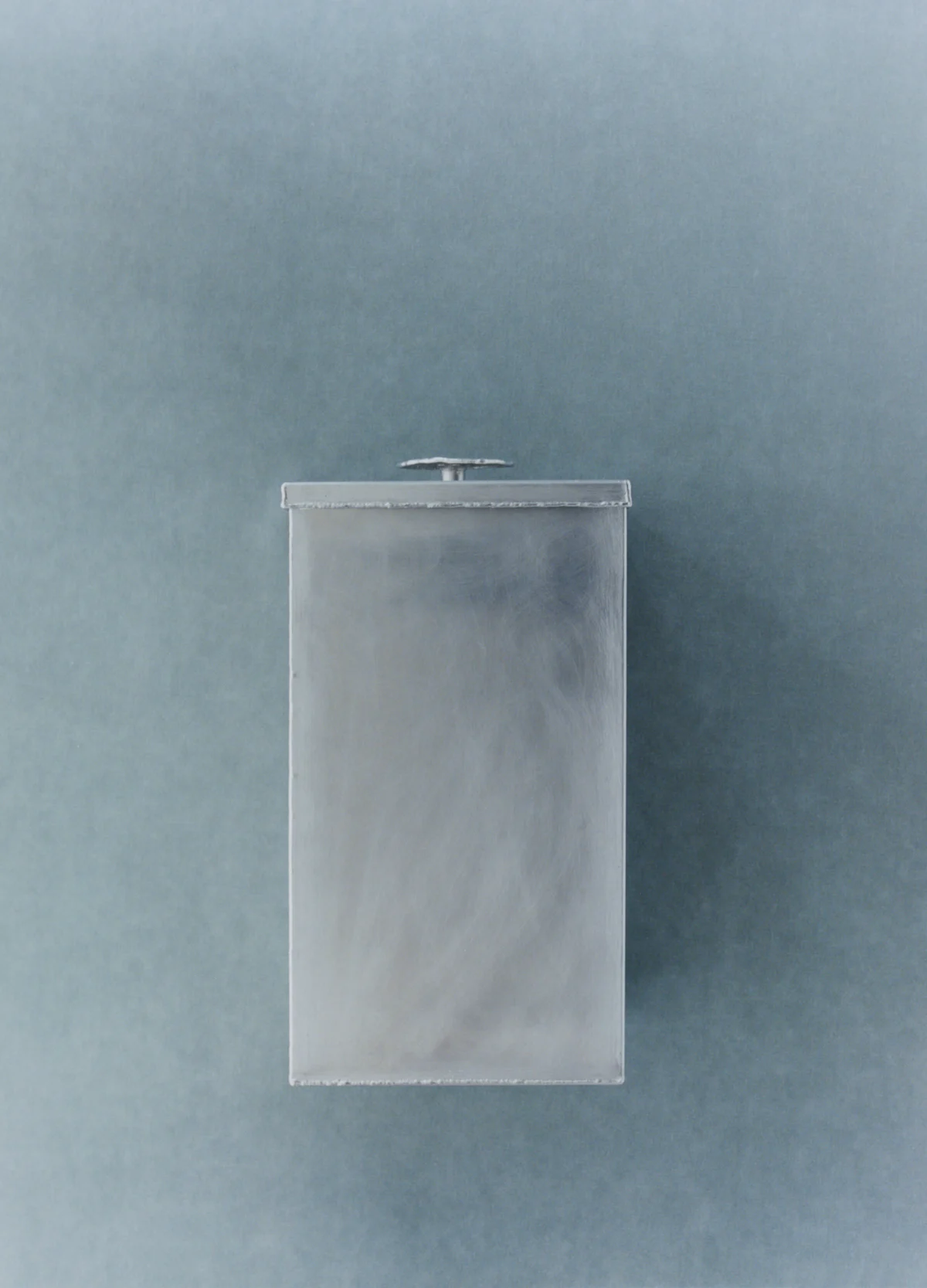
Made from aluminium, its restrained, architectural form leaves little room for distraction. Instead, character emerges in the details: the way light moves across the metal, the handle on its lid, and subtle traces of the hand that resist the anonymity of an industrial object.
Yeodong does not make the ordinary extraordinary so much as question the distinction. By lavishing attention on an object designed to disappear into the background, she suggests that value might reside not in what something is, but in how closely we choose to look at it.
Piece 03
by Yeodong Yun
Yeodong Yun has a particular interest in objects that do not ask to be noticed. So when invited to consider the idea of a treasure in metal for A STUDY 003, she turned her attention to one of the home’s most overlooked objects: the waste bin.
Her choice shifts the question from what makes an object precious to what makes us consider it worthy of attention in the first place. The waste bin remains exactly that. There is no attempt to disguise its purpose. Instead, Yeodong gives its proportions, construction and surface the kind of consideration more readily afforded to objects we choose to display.
Made from aluminium, its restrained, architectural form leaves little room for distraction. Instead, character emerges in the details: the way light moves across the metal, the handle on its lid, and subtle traces of the hand that resist the anonymity of an industrial object.
Yeodong does not make the ordinary extraordinary so much as question the distinction. By lavishing attention on an object designed to disappear into the background, she suggests that value might reside not in what something is, but in how closely we choose to look at it.


Piece 04
by Agnieszka Owsiany
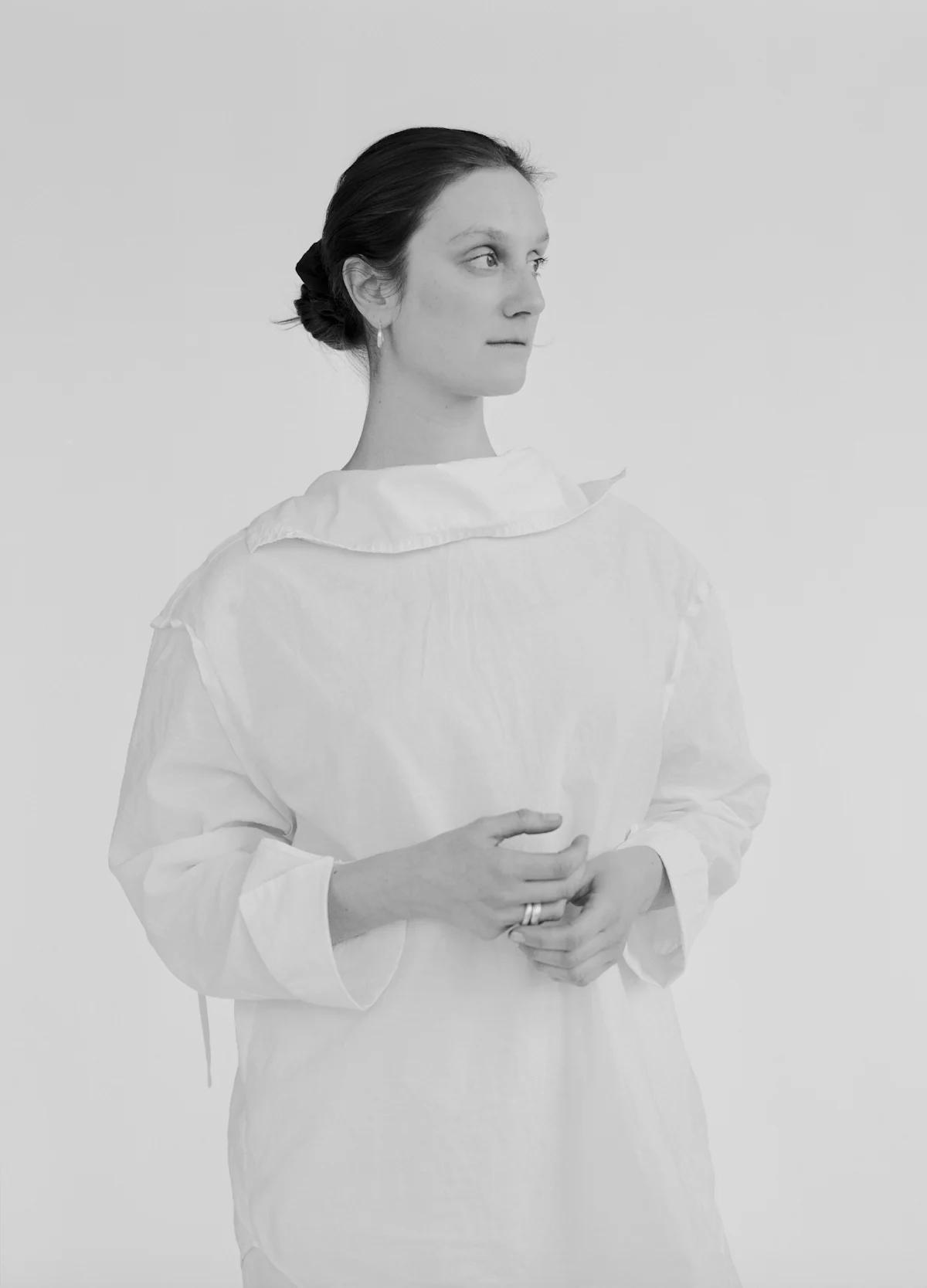
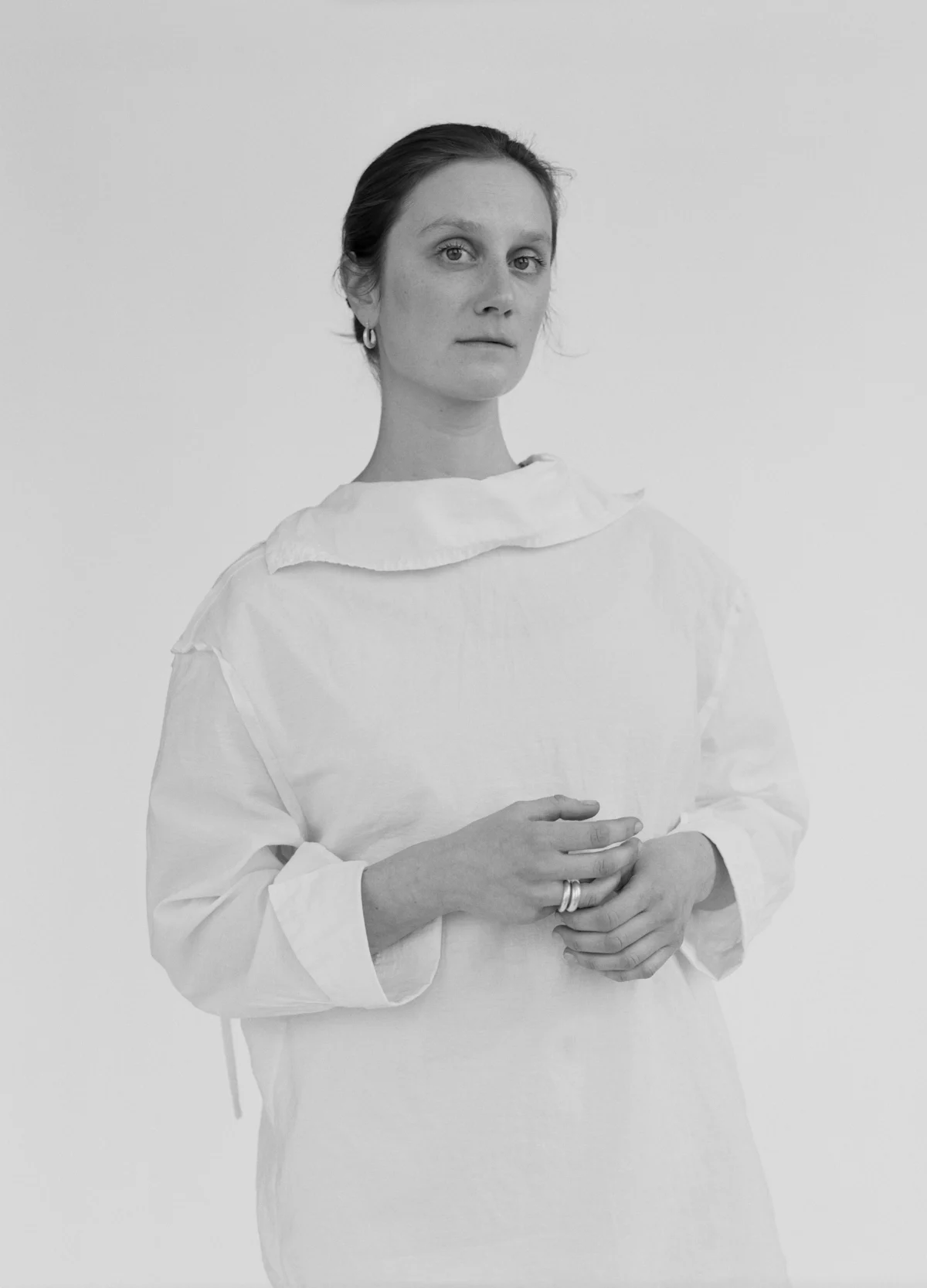
Among Agnieszka Owsiany’s treasured possessions is jewellery inherited from her great-great-grandmother. There is also a ring made from wire and cord, exchanged during a make-believe wedding at a childhood camp. Some of these pieces have monetary value; others virtually none. To Owsiany, the distinction hardly matters.
This became the premise for her commission for A STUDY: a vessel for the treasures we gather over a lifetime.
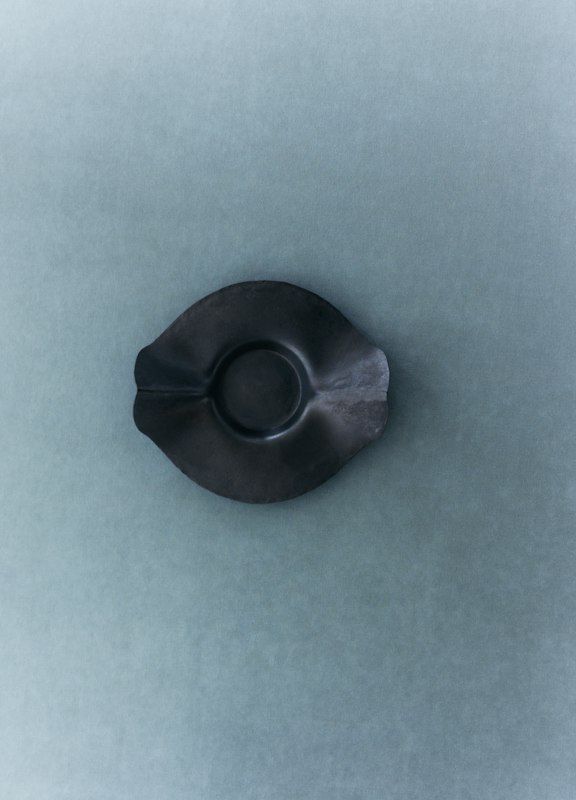
Working with a master blacksmith, Owsiany began experimenting with black steel and a traditional hand-operated press. Under its force, the pre-formed metal buckled, developing unexpected folds, curves and protrusions. In those accidental movements, she recognised the beginnings of the object.
Rather than correcting the deformation, Owsiany made it part of the design. The folds became handles, their thickness and edges refined by hand forging. Steel, chosen for its strength and permanence, revealed an unlikely softness. Fittingly for an object made to safeguard the things we carry through life, the vessel bears its own traces of making: pressure, resistance and the marks of the hands that shaped it — a treasure in its own right, conceived with a sense of permanence, to be kept and passed on.


Piece 02
by Jimmy Kamhieh Loutfi
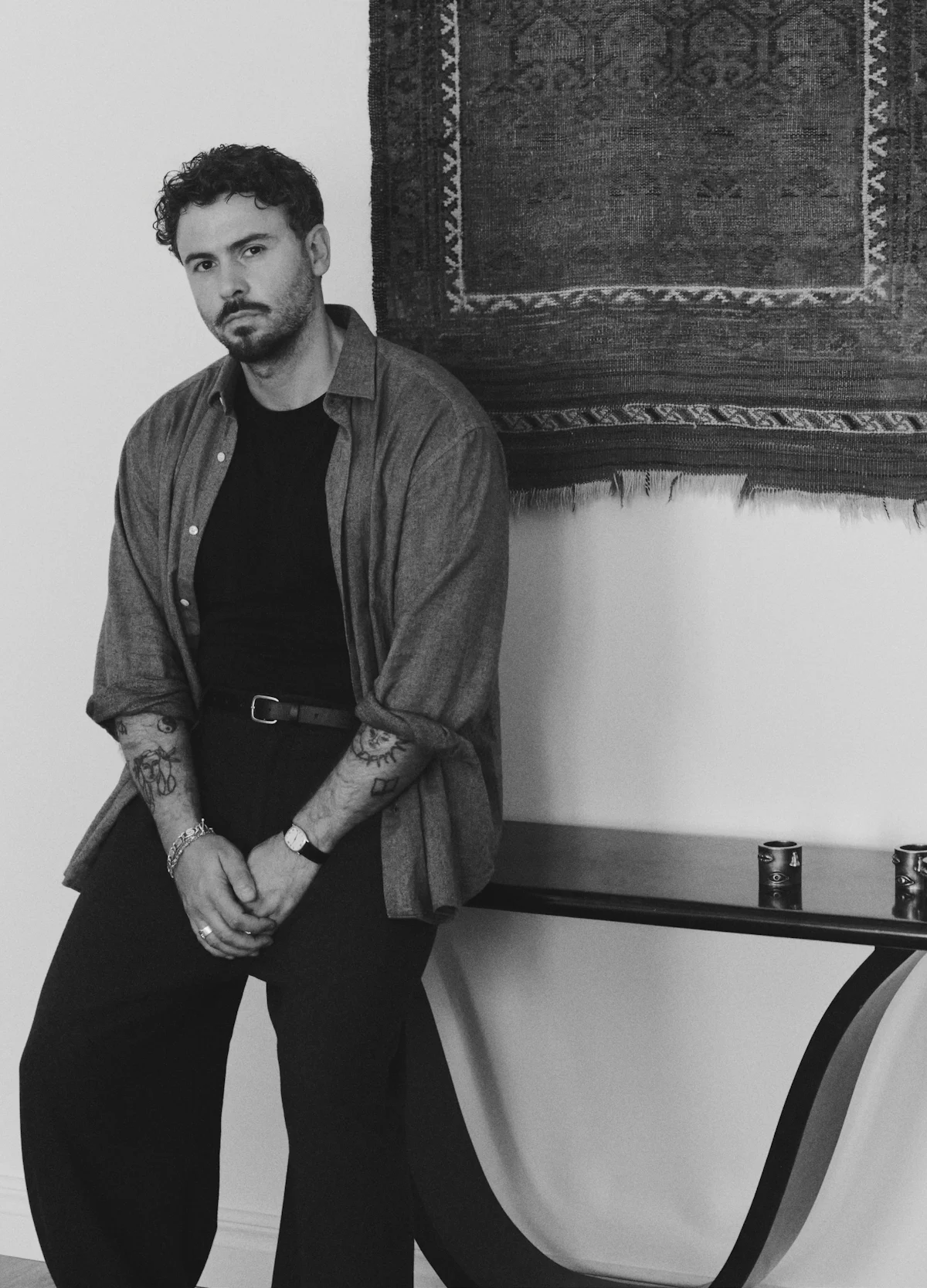
Metal has accompanied Jimmy Kamhieh Loutfi through two quite different lives. As a mechanical engineer, he understood it through properties and performance; later, through jewellery, he began to see the same material as something capable of holding memory, emotion and sentimental meaning. For A STUDY 003, Kamhieh Loutfi makes another shift. Moving beyond the silver he knows intimately, he turned to bronze, and to a scale less familiar to his hands.
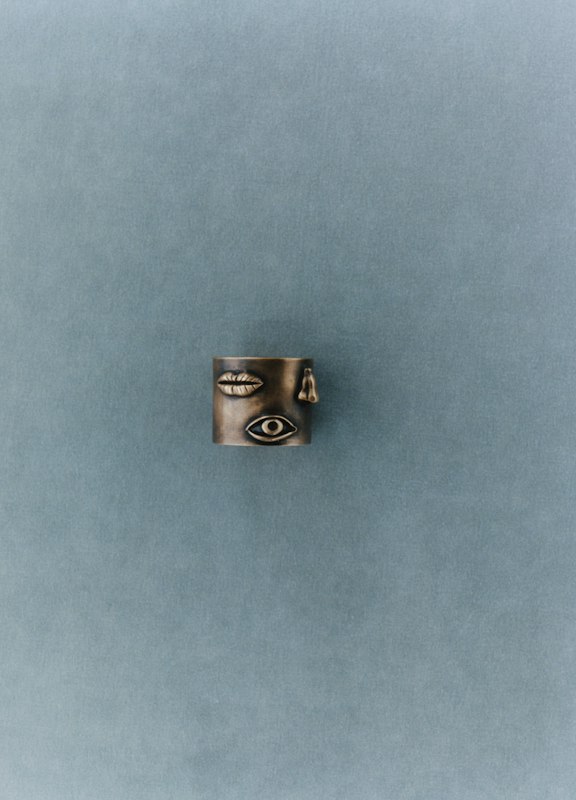
The resulting candle holder began as a simple cylinder, gradually interrupted by an eye, a nose and a mouth — fragments drawn from Loutfi’s ongoing study of human anatomy. Sculpted digitally and then translated through prototyping and casting, the form had to adapt to the physical demands of bronze: thicknesses changed, depths were reconsidered, details refined.
Patination came last, and altered the object most profoundly. Its darkened surface lends the bronze an apparent age, while settling differently around each feature. As light moves across it, the anatomy emerges and recedes. A familiar household object remains, but with another presence just beneath its surface.
Piece 02
by Jimmy Kamhieh Loutfi
Metal has accompanied Jimmy Kamhieh Loutfi through two quite different lives. As a mechanical engineer, he understood it through properties and performance; later, through jewellery, he began to see the same material as something capable of holding memory, emotion and sentimental meaning. For A STUDY 003, Kamhieh Loutfi makes another shift. Moving beyond the silver he knows intimately, he turned to bronze, and to a scale less familiar to his hands.
The resulting candle holder began as a simple cylinder, gradually interrupted by an eye, a nose and a mouth — fragments drawn from Loutfi’s ongoing study of human anatomy. Sculpted digitally and then translated through prototyping and casting, the form had to adapt to the physical demands of bronze: thicknesses changed, depths were reconsidered, details refined.
Patination came last, and altered the object most profoundly. Its darkened surface lends the bronze an apparent age, while settling differently around each feature. As light moves across it, the anatomy emerges and recedes. A familiar household object remains, but with another presence just beneath its surface.