


In Conversation with Theresa
An architect by training, a furniture designer by profession and a gardener at heart, Theresa Rand moves between different ways of understanding the spaces we inhabit. From the architecture of a room to the objects that come to define it, her interests reveal a fascination with how we make ourselves at home in the world.

You’ve made Copenhagen your home after moving from Germany. What does it take for a place to truly feel like home?
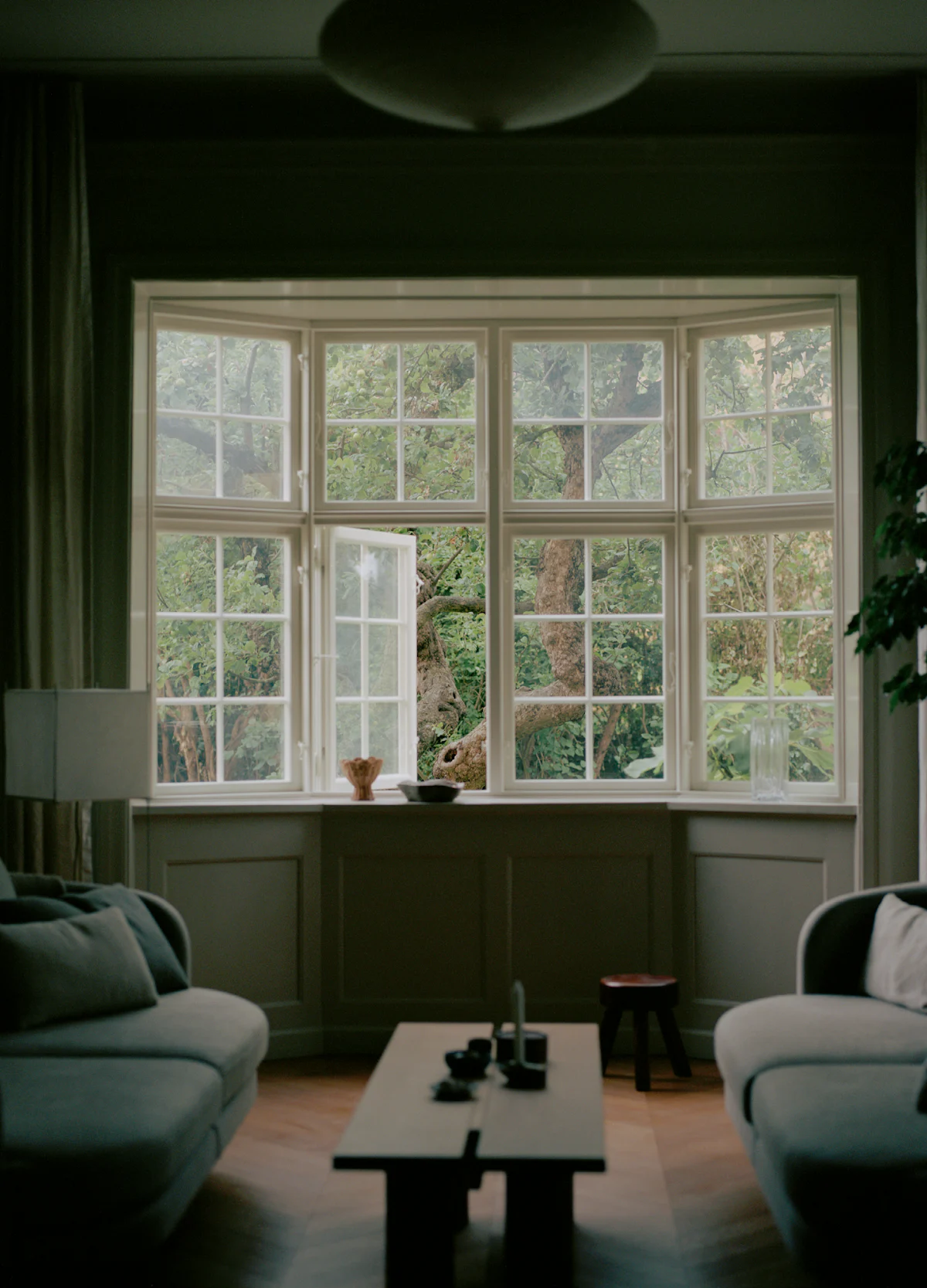
I think it takes time to make a new place feel like home. You need to fill it with experiences, people, memories, and personal objects. My furniture is very important to me, so having those pieces around helps. But in the end, the most essential part of feeling at home is simply being with my husband and daughters.
What qualities make you feel most at ease in your own home?
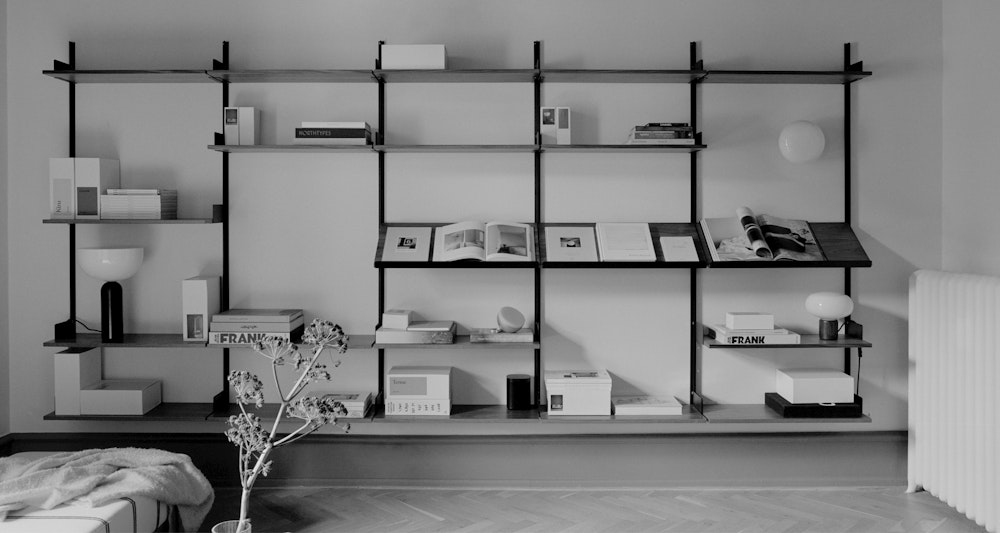
Materials and colours have a strong impact on me, and I’m very sensitive to the atmosphere of a room or space. I need an uncluttered environment to truly relax, which is always a bit of a challenge when living with kids.
Are you someone who collects objects? If so, what tends to find its way into your home?
I don’t collect anything. The pieces we welcome into our home are carefully selected. It’s important to us not to own unnecessary things, but only items we truly use or that hold special meaning.
Theresa Rand is an architect-turned-designer who creates objects but has little desire to collect them. There is something revealing in this relationship with the material world. For someone whose work revolves around the things we live with, it is their personal significance, rather than their mere presence, that makes them worth keeping.
Her considered approach to living extends beyond the material. Having exchanged Germany for Copenhagen, she has come to appreciate the Danish inclination towards optimism and ease, while her own creative refuge is often found far from the studio, in the garden or the forest. In conversation with Theresa, we explore the spaces and rituals that shape everyday life, the wisdom of children and why, for someone devoted to design, the greatest pleasures sometimes lie elsewhere.
What first sparked your interest in design, and what has kept you curious ever since?
My path to design started with my training as an architect. I first became interested in architecture, then interior architecture, and finally furniture and product design. The scale of my work gradually became smaller, moving towards the objects we interact with every day—pieces that feel much closer to the body than architecture, where the process can sometimes feel a bit more abstract.
You’ve made Copenhagen your home after moving from Germany. What does it take for a place to truly feel like home?
I think it takes time to make a new place feel like home. You need to fill it with experiences, people, memories, and personal objects. My furniture is very important to me, so having those pieces around helps. But in the end, the most essential part of feeling at home is simply being with my husband and daughters.
What qualities make you feel most at ease in your own home?
Materials and colours have a strong impact on me, and I’m very sensitive to the atmosphere of a room or space. I need an uncluttered environment to truly relax, which is always a bit of a challenge when living with kids.
Are you someone who collects objects? If so, what tends to find its way into your home?
I don’t collect anything. The pieces we welcome into our home are carefully selected. It’s important to us not to own unnecessary things, but only items we truly use or that hold special meaning.
Theresa Rand is an architect-turned-designer who creates objects but has little desire to collect them. There is something revealing in this relationship with the material world. For someone whose work revolves around the things we live with, it is their personal significance, rather than their mere presence, that makes them worth keeping.
Her considered approach to living extends beyond the material. Having exchanged Germany for Copenhagen, she has come to appreciate the Danish inclination towards optimism and ease, while her own creative refuge is often found far from the studio, in the garden or the forest. In conversation with Theresa, we explore the spaces and rituals that shape everyday life, the wisdom of children and why, for someone devoted to design, the greatest pleasures sometimes lie elsewhere.
What first sparked your interest in design, and what has kept you curious ever since?
My path to design started with my training as an architect. I first became interested in architecture, then interior architecture, and finally furniture and product design. The scale of my work gradually became smaller, moving towards the objects we interact with every day—pieces that feel much closer to the body than architecture, where the process can sometimes feel a bit more abstract.


Is there a place here in the city you keep coming back to—a place that feels particularly yours?
It isn’t strictly in the city, but I love coming back to Frilandsmuseet—an open-air museum with historic rural buildings and traditional gardens. It’s the perfect escape from our busy lives, and our daughters love playing there since there are plenty of activities for kids. I love looking at the details of how houses were built when everything was made by hand, and getting a sense of the different pace of life back then.
If design hadn’t found you, what do you think your life might have looked like instead?
If design hadn’t found me, I think I would have become a gardener or landscape designer. I still occasionally think about changing careers because I love being outside. As much as I adore my work, I often wish it involved less time in front of a computer screen.
What’s a piece of advice that’s stayed with you over the years?
I don’t really believe in unsolicited advice, but I love spending time with people whose way of life inspires me. I admire those who can stay calm and optimistic in difficult situations, focus on what actually matters, and let their values serve as their guide.
What, would you say, makes an object worth keeping for a lifetime?
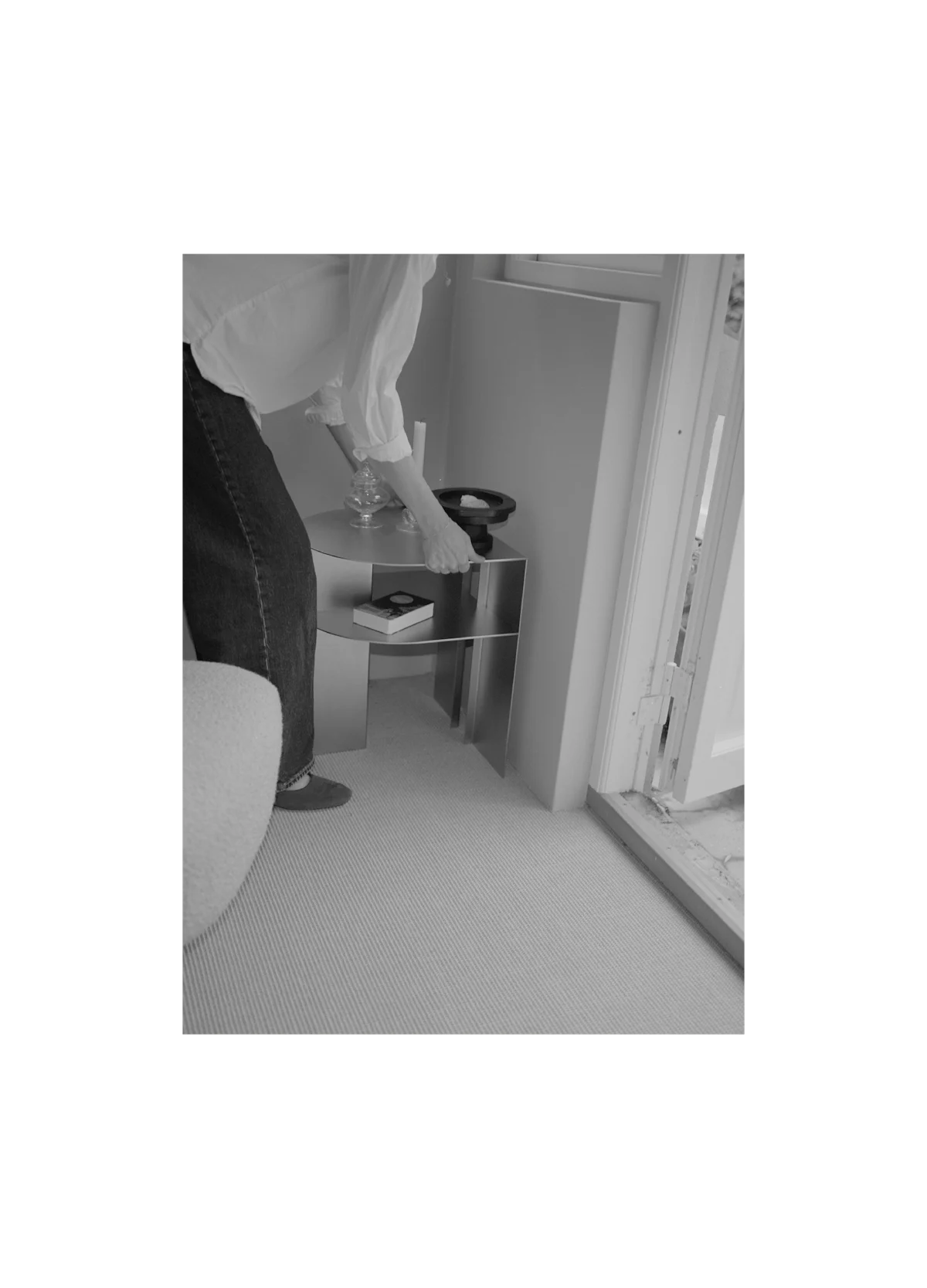
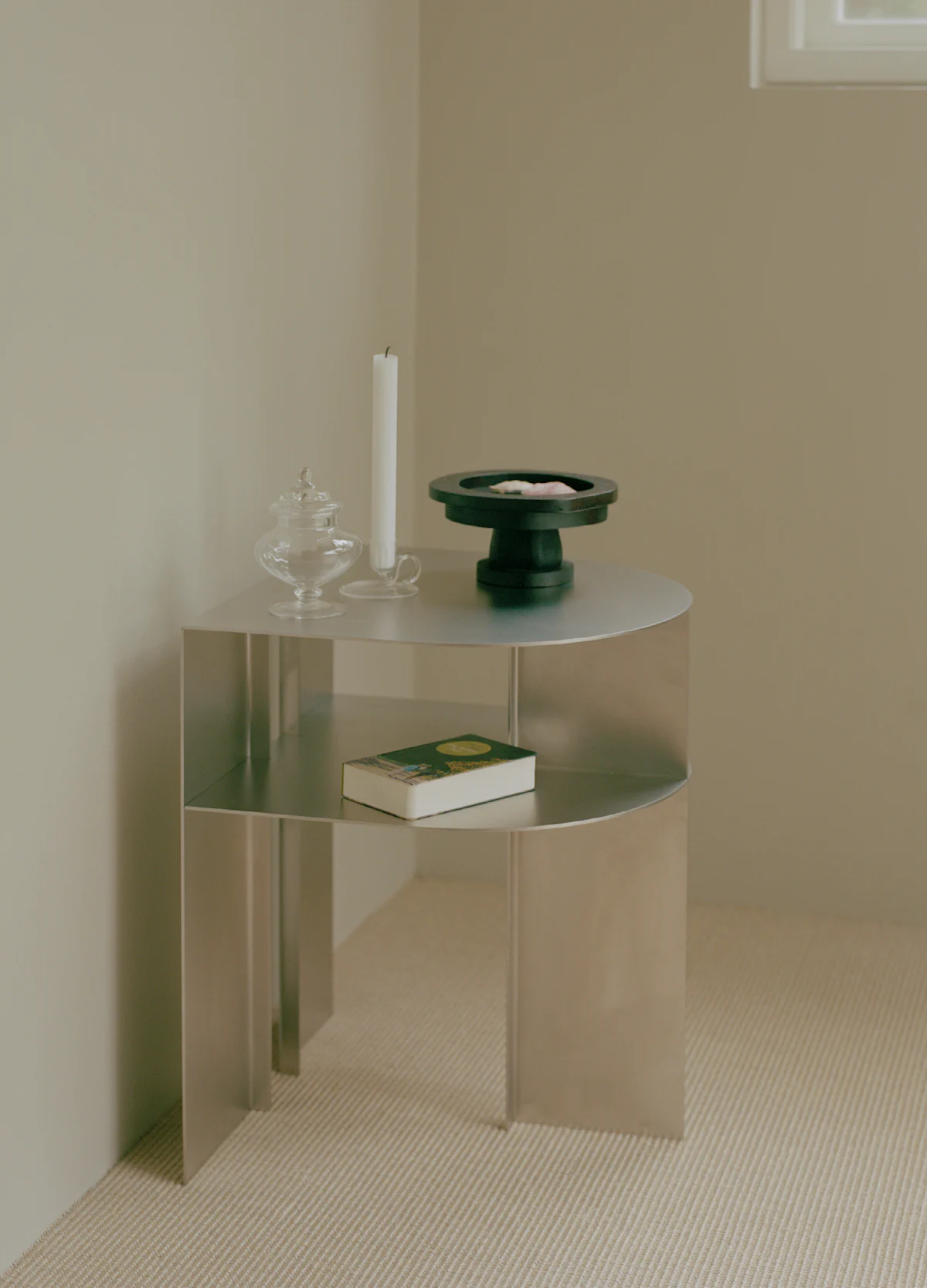
Of course, an object worth keeping for a lifetime needs high-quality materials and craftsmanship to stand the test of time, but the most important aspect is its emotional value. A piece is only worth keeping if you have a connection to it—whether because of a memory it holds or because it’s something you’ve wished for over a long time. It needs a sense of personality and soul.
Do you have an object in your own home that you’ll never part with?
There is a small object in our home that means a lot to me: a little suitcase I inherited from my mother, who recently passed away. She used it for her tap dancing shoes, and today, we use it as a toy suitcase for our daughters.
When you’re feeling creatively stuck—or simply in need of a pause—where do you find yourself returning?
It probably sounds like a cliché, but I need to be out in nature—in the forest or in our garden—and have some quiet time to myself to recharge, especially when I feel stuck. It also helps to get outside, connect with friends, and simply change the scenery. Spending time with my kids helps a lot, too. They remind me that there’s often a more direct, uncomplicated way of looking at things.
After living in Denmark for some time, is there a Danish ritual, habit, or way of life that has become part of your own?
I think Danish people tend to be more relaxed and optimistic than people in Germany, where I grew up, and I really like that mindset.
Is there a place here in the city you keep coming back to—a place that feels particularly yours?
It isn’t strictly in the city, but I love coming back to Frilandsmuseet—an open-air museum with historic rural buildings and traditional gardens. It’s the perfect escape from our busy lives, and our daughters love playing there since there are plenty of activities for kids. I love looking at the details of how houses were built when everything was made by hand, and getting a sense of the different pace of life back then.
If design hadn’t found you, what do you think your life might have looked like instead?
If design hadn’t found me, I think I would have become a gardener or landscape designer. I still occasionally think about changing careers because I love being outside. As much as I adore my work, I often wish it involved less time in front of a computer screen.
What’s a piece of advice that’s stayed with you over the years?
I don’t really believe in unsolicited advice, but I love spending time with people whose way of life inspires me. I admire those who can stay calm and optimistic in difficult situations, focus on what actually matters, and let their values serve as their guide.
What, would you say, makes an object worth keeping for a lifetime?
Of course, an object worth keeping for a lifetime needs high-quality materials and craftsmanship to stand the test of time, but the most important aspect is its emotional value. A piece is only worth keeping if you have a connection to it—whether because of a memory it holds or because it’s something you’ve wished for over a long time. It needs a sense of personality and soul.
Do you have an object in your own home that you’ll never part with?
There is a small object in our home that means a lot to me: a little suitcase I inherited from my mother, who recently passed away. She used it for her tap dancing shoes, and today, we use it as a toy suitcase for our daughters.
When you’re feeling creatively stuck—or simply in need of a pause—where do you find yourself returning?
It probably sounds like a cliché, but I need to be out in nature—in the forest or in our garden—and have some quiet time to myself to recharge, especially when I feel stuck. It also helps to get outside, connect with friends, and simply change the scenery. Spending time with my kids helps a lot, too. They remind me that there’s often a more direct, uncomplicated way of looking at things.
After living in Denmark for some time, is there a Danish ritual, habit, or way of life that has become part of your own?
I think Danish people tend to be more relaxed and optimistic than people in Germany, where I grew up, and I really like that mindset.

